McNally Editions publishes singular, engaging works from off the beaten path. Browse our titles for your next favorite read, or select a curated subscription and we’ll choose the perfect books for you or a friend.

Featured
Choose one of our tailored subscriptions, and every season we’ll send you—or your favorite reader—a perfect pairing of books for only $30.
Books will be chosen from past and current seasons. Free shipping within the United States, cancel anytime.
Éric Rohmer
Foreword by André Aciman
Translated from the French by Aaron Kerner
“The father of the French New Wave . . . Rohmer’s surfaces aren’t placid but taut; they’re smooth because of their almost unbearably high tension.” —Richard Brody, The New Yorker
Witty banter, lust, ennui, and an undercurrent of violence underlie a seemingly paradisiacal summer on the eve of World War II, in this landmark translation of the first and only novel by Éric Rohmer, the French New Wave’s most prolific and beloved filmmaker.
COMING JUL 7, 2026
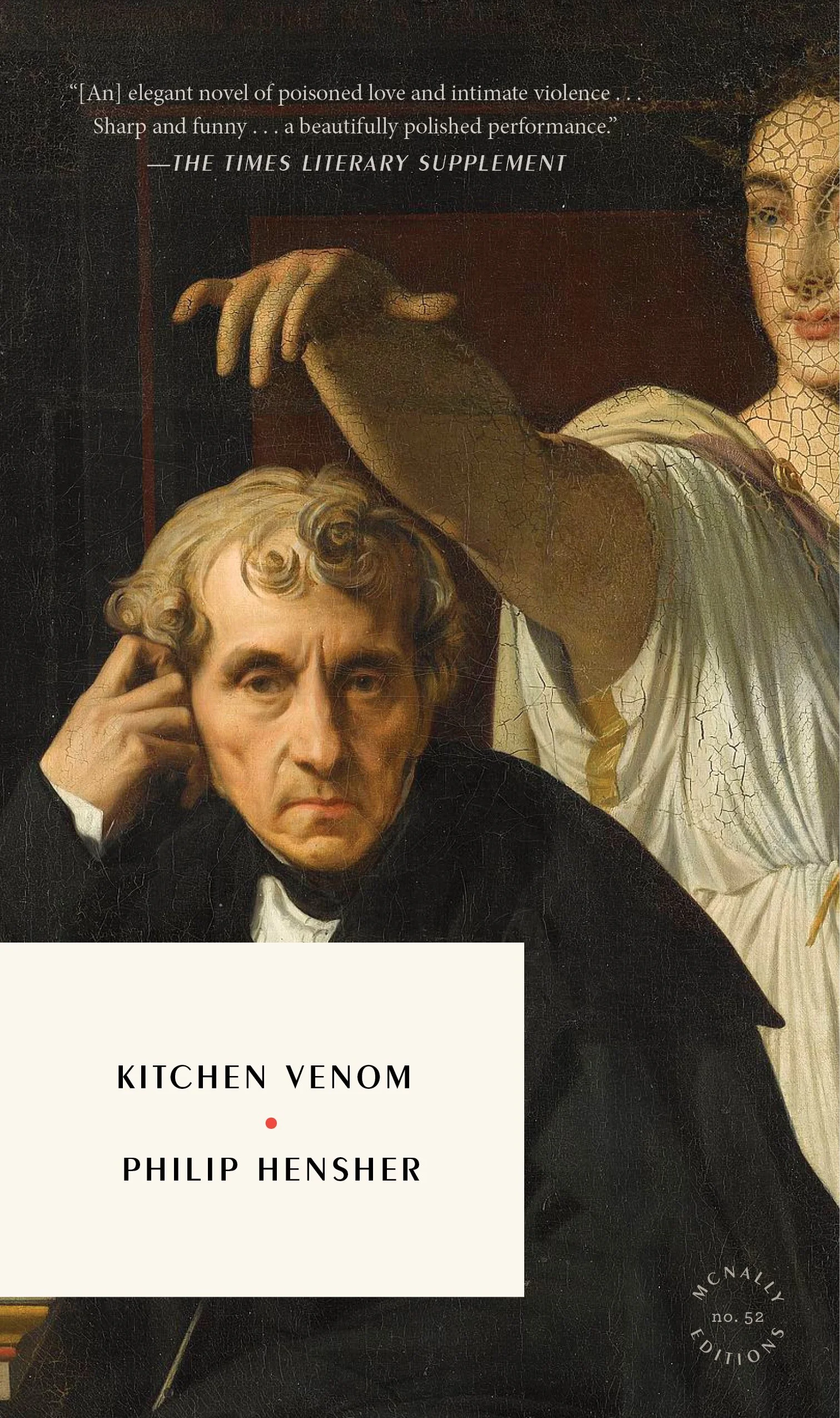
Philip Hensher
New Preface by the Author
“[An] elegant novel of poisoned love and intimate violence . . . Sharp and funny . . . a beautifully polished performance.” —James Lakeman, The Times Literary Supplement
“Political intrigue, sexual chicanery, disappointment, betrayal” combine with “dazzling” effect (Jane Shilling, The Sunday Telegraph) in this scandalous novel that exposed the secrets of Margaret Thatcher’s government.
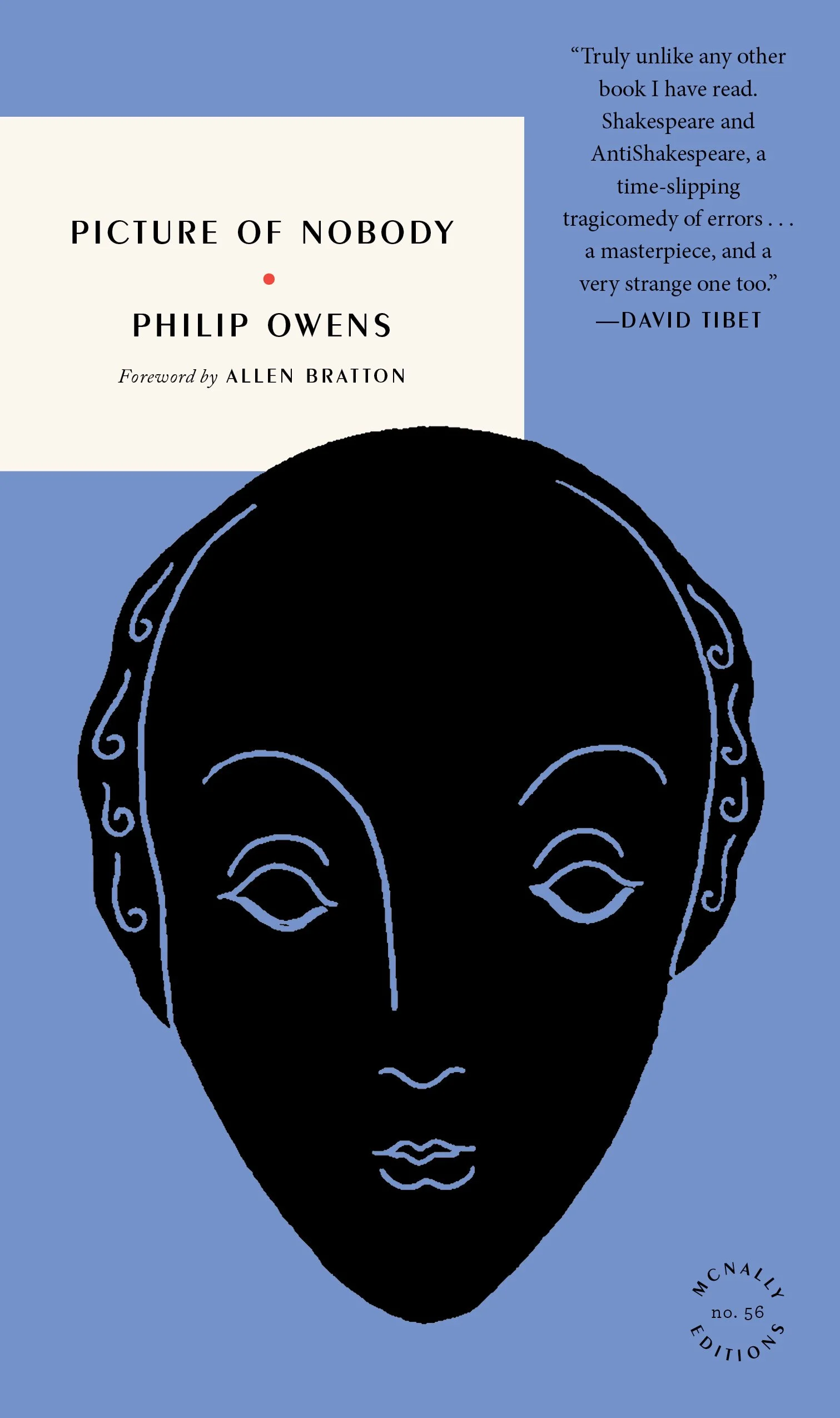
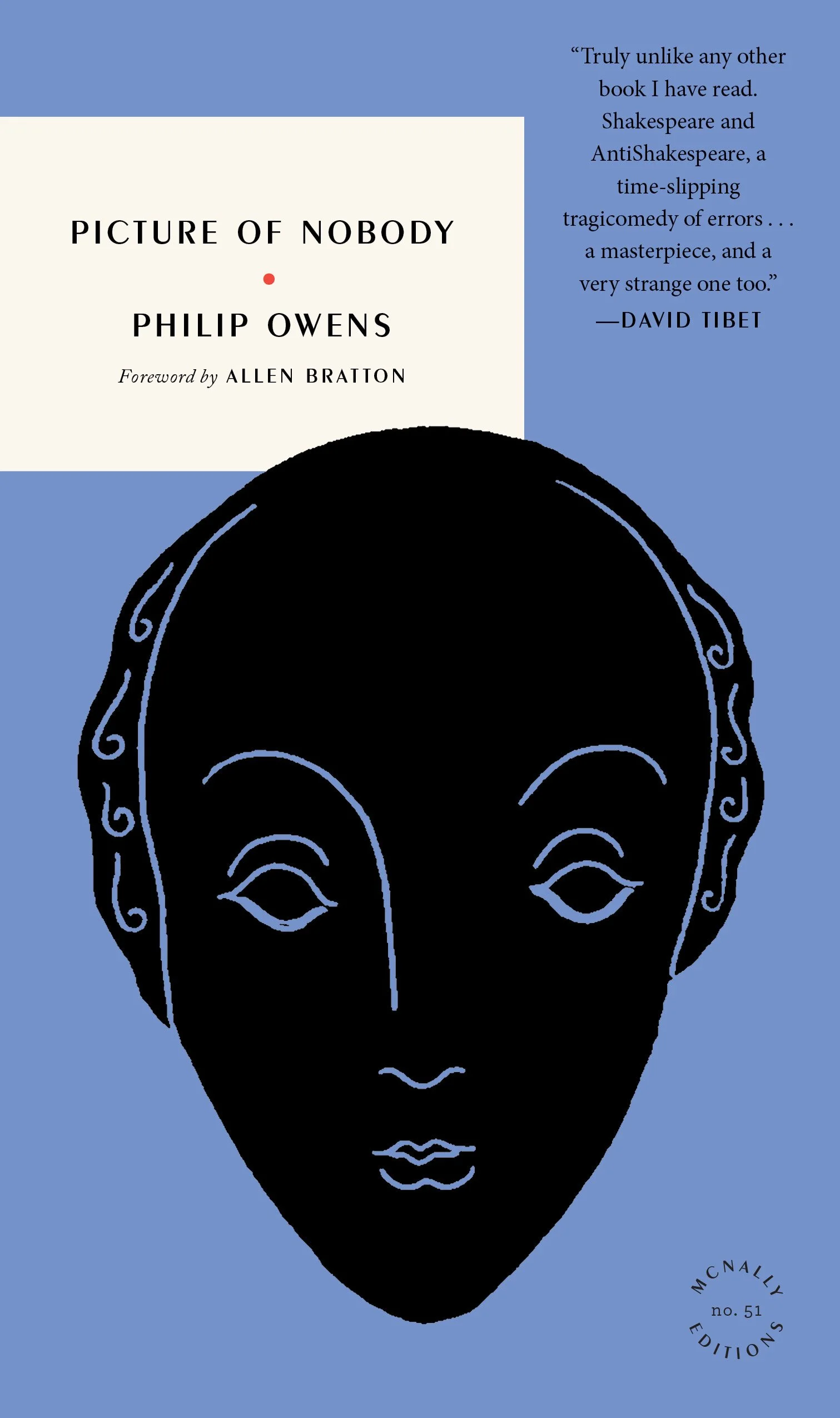
Philip Owens
Foreword by Allen Bratton
“Truly unlike any other book I have read. Shakespeare and AntiShakespeare, a time-slipping tragicomedy of errors, grim and gorgeous, sparkling and sliding with wit and melancholy . . . Picture of Nobody is a masterpiece, and a very strange one too.” —David Tibet, Current 93
Transposed into the early twentieth century, a nonentity named Shakespeare rails against poverty, mediocrity, and misunderstanding, in forgotten modernist Philip Owens’s brilliant, one-of-a-kind satire.
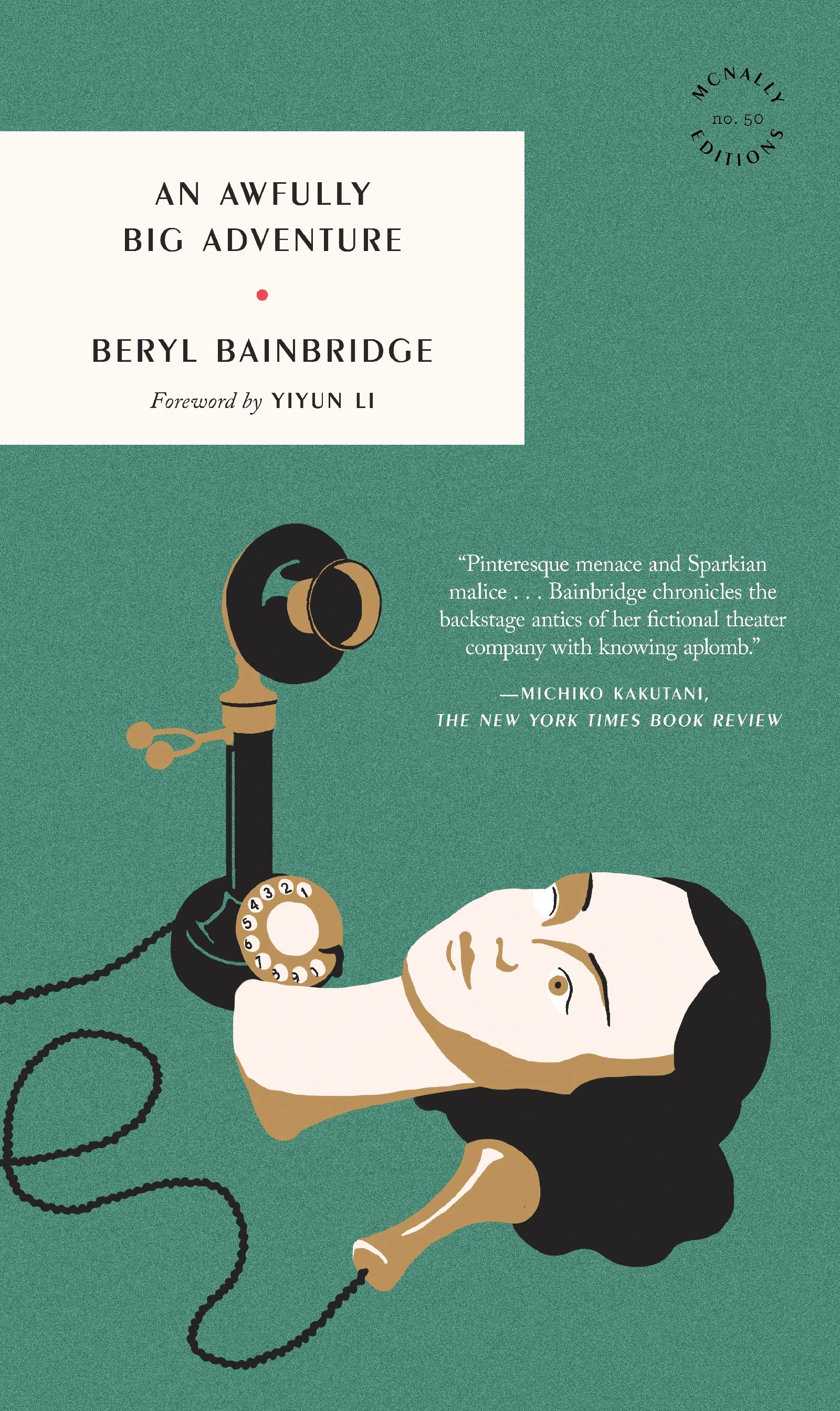
Beryl Bainbridge
Foreword by Yiyun Li
“Pinteresque menace and Sparkian malice . . . A former actress herself, Ms. Bainbridge chronicles the backstage antics of her fictional theater company with knowing aplomb.” —Michiko Kakutani, The New York Times Book Review
A blackly comic story of the secrets, sex, and violence behind the curtain of a repertory theater’s postwar production of Peter Pan: its “close observation and hilarity are underlain by a sense of tragedy as deep as any in fiction.” (The Times)
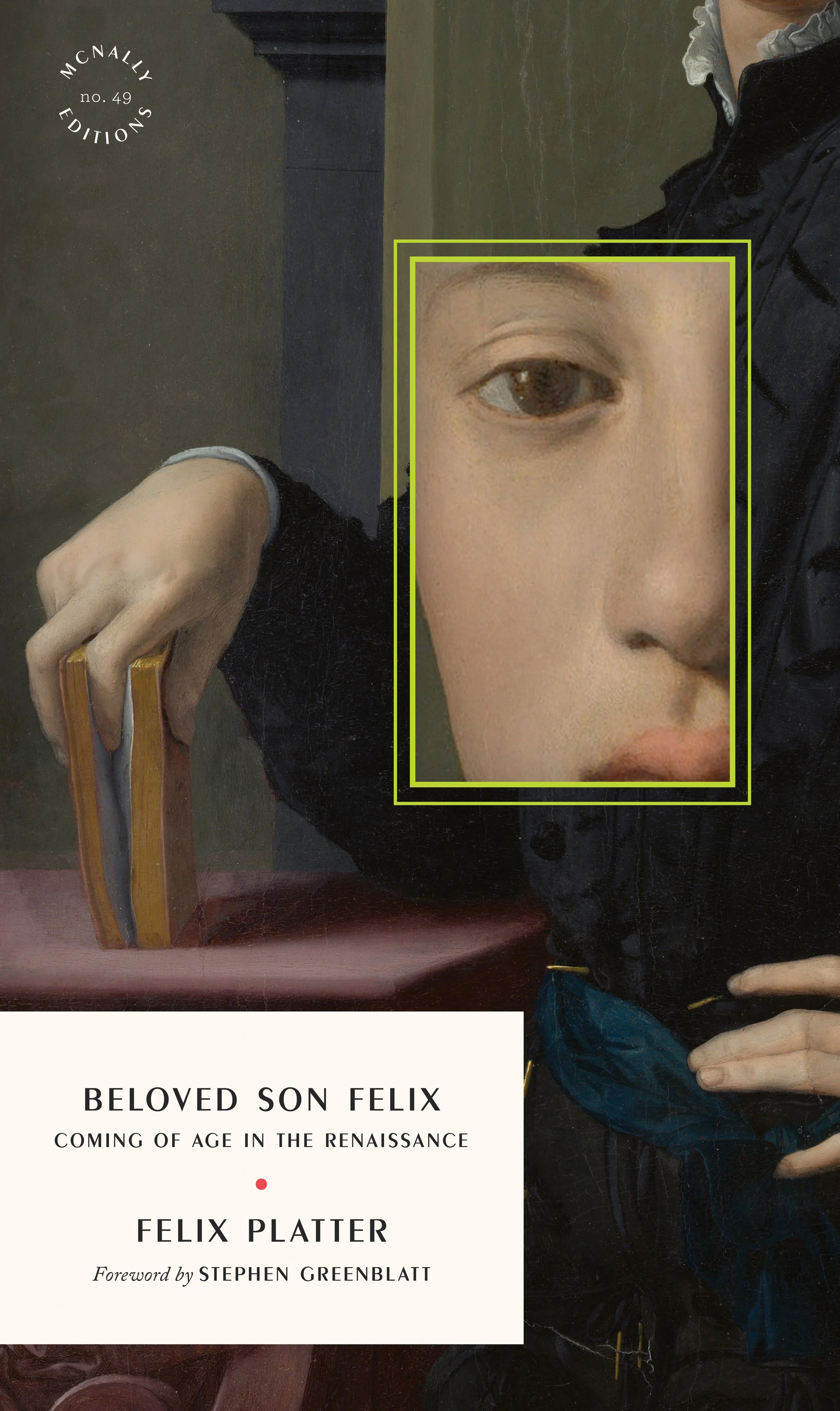
Felix Platter
Foreword by Stephen Greenblatt
Translated and introduced by Seán Jennett
“Like the diary of Samuel Pepys or the memoirs of François-René de Chateaubriand, Beloved Son Felix [is] an invaluable and entertaining firsthand exploration of a bygone era . . . We are allowed a rare glimpse into the street-level experiences of a common Renaissance man.” —Michael Patrick Brady, The Wall Street Journal
The wildly vivid, rare, and revealing journals of a sixteenth-century medical student.
Diane Ackerman
Foreword by Maria Popova
“Stunning . . . it is spectacularly good poetry, clear, lyrical and soaring . . . One of the triumphs of Ackerman’s pastoral is the demonstration of how closely compatible planetary exploration and poetry, science and art really are.” —Carl Sagan, The New Republic
From Marginalian Editions comes a gorgeous reissue of celebrated poet and naturalist Diane Ackerman’s debut: a soaring ode to our solar system, planet to planet, blending science and imagination, astronomy and cosmology, as well as fantasy, satire, myth, and reflection.
Francis King
Foreword by Rumaan Alam
“A compact, intricately patterned story of unrequited erotic obsession, focused on the relationship between a closeted English novelist and a beautiful Italian philosopher . . . Among the novel’s daring ideas is its suggestion that closetedness and English taciturnity are part of a common condition, each an art of concealment.” —Charlie Tyson, Harper’s Magazine
A witty, heartbreaking tale of unrequited love by “one of the finest and most remarkable of English novelists of our time.” (The Scotsman)
Kay Cicellis
Foreword by Rachel Cusk
A fiery modern retelling of three Greek tragedies, “written in an ageless prose that instantly strikes the reader as the work of a master.” (Rachel Cusk, from the foreword)
Dinah Brooke
Foreword by Emma Cline
“A devastating account of the sexual awakening of an English lady . . . An intense, fastidiously crafted and disturbing novel.” —Publishers Weekly
From the “brilliant forgotten novelist” behind the “ferocious” Lord Jim at Home (The Telegraph) comes a searing tale of a young woman’s unravelling beneath the unforgiving Tuscan sun.
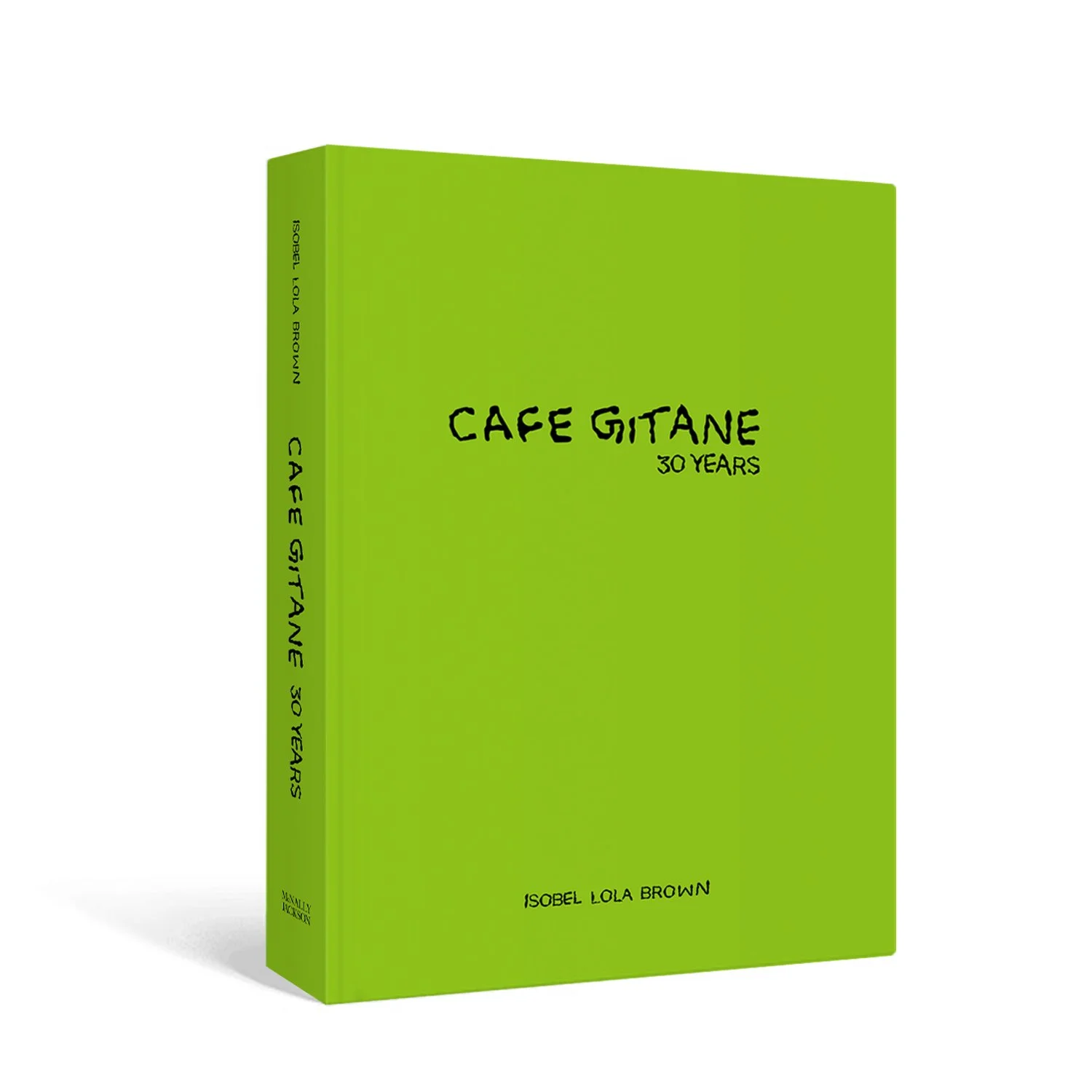
Isobel Lola Brown
Photography by Melanie Dunea
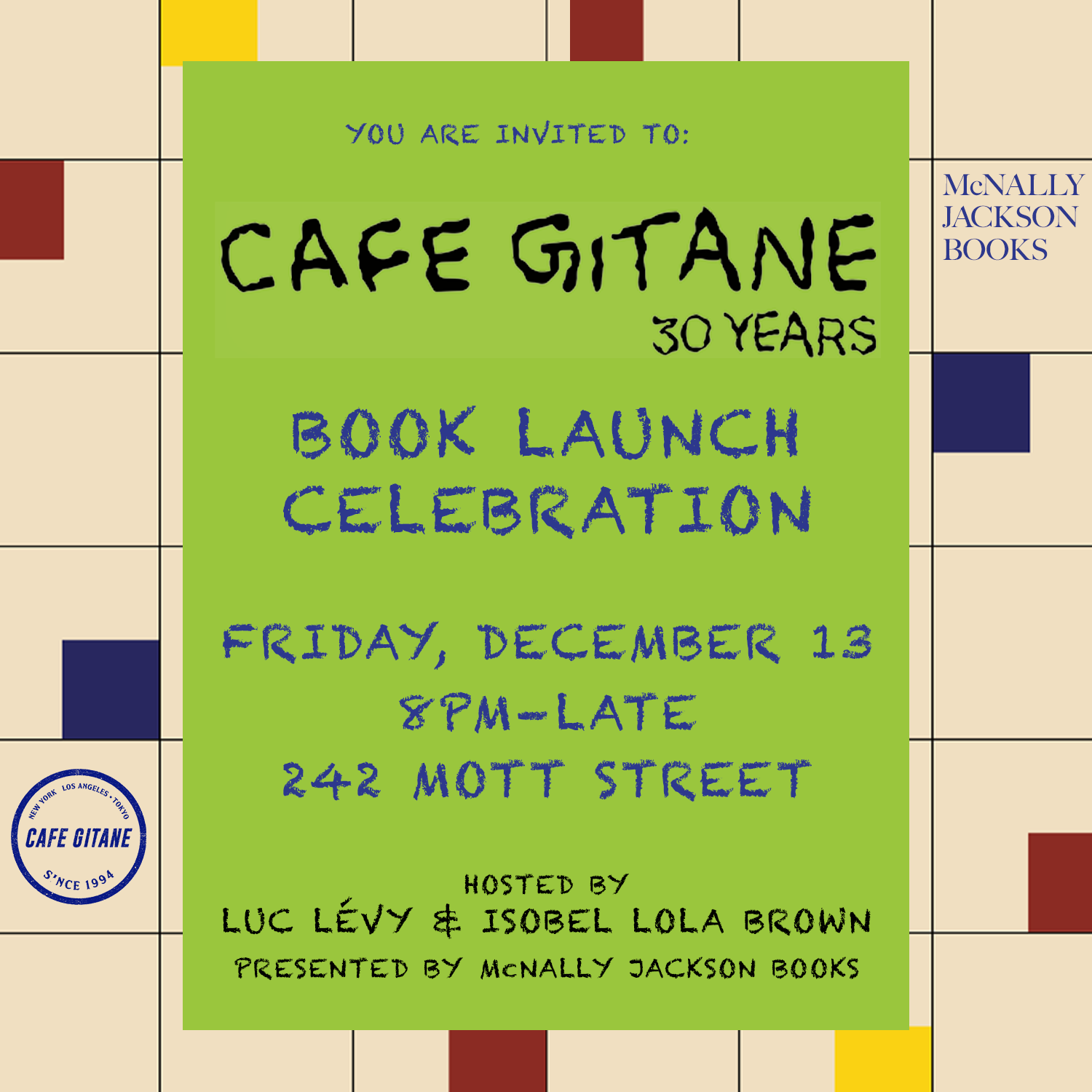
Gorgeously produced and full of fascinating interviews, profiles, and recipes, Cafe Gitane: 30 Years tells the story of the vibrant downtown New York culture that thrived in the ’90s and 2000s through the lens of an iconic institution nestled at its heart.
ALSO AVAILABLE IN A LIMITED SLIPCASE EDITION
Todd Grimson
“If Raymond Chandler or Flannery O’Connor had written a vampire novel, it might read with the brutal and passionate clarity of Stainless . . . The ultimate late night in L.A.” —Katherine Dunn
A bloody, erotic love story from “the greatest horror writer you’ve never read . . . In Stainless, Todd Grimson set out to write ‘the Ultimate, Final Vampire Novel’—and succeeded.” (The Guardian)
Carolivia Herron
New afterword by the author
“An unblinking, poetic journey into America’s true heart of darkness.” —Marlon James
Family trauma, race, and the destiny of a nation corrupted by slavery, cast in the light of epic myth: “More than a saga of Black revitalization . . . Part vision, part parable, it is a story for all America.” (The New York Times Book Review)
Pamela Hansford Johnson
Foreword by Michael Dirda
“Witty, satirical and deftly malicious.” —Anthony Burgess
From the prolifically gifted Pamela Hansford Johnson, neglected peer of Evelyn Waugh and Muriel Spark, comes “a maliciously witty account of literary skulduggery and lofty pretensions, set in Johnson’s beloved Bruges.” (The Telegraph)
Jane Ellen Harrison
Foreword by Maria Popova
“Jane Ellen Harrison, the maverick Cambridge classicist and celebrity public intellectual . . . cultivated a distinctive brand of quirky and memorable outspokenness . . . with her sparky wit and refusal to be silenced . . . She remains my hero . . . She has remained the iron in my soul.” —Mary Beard, London Review of Books
From Marginalian Editions: a far-seeing essay collection by the iconoclastic historian Jane Ellen Harrison—heroine to generations of writers from Virginia Woolf to Mary Beard—that explores the invisible tendrils between science and the sacred, the psychology of bias, the fulcrum of progress, and the countercultural courage of changing our minds in light of new understanding.
Charles Neider
Foreword by Will Oldham
“[An] unsentimental, elegiac tale of a legendary gunslinger’s final days . . . Neider’s timeless novel sneaks up on readers with a kind of elliptical genius that simultaneously celebrates and subverts its mythos, anticipating and surpassing many of the revisionist Westerns that were to follow.” —David Wright, Library Journal, Starred Review
The 1950s classic that rewrote the myth of the American West and inspired its subsequent chroniclers from Sam Peckinpah to Marlon Brando to Cormac McCarthy.
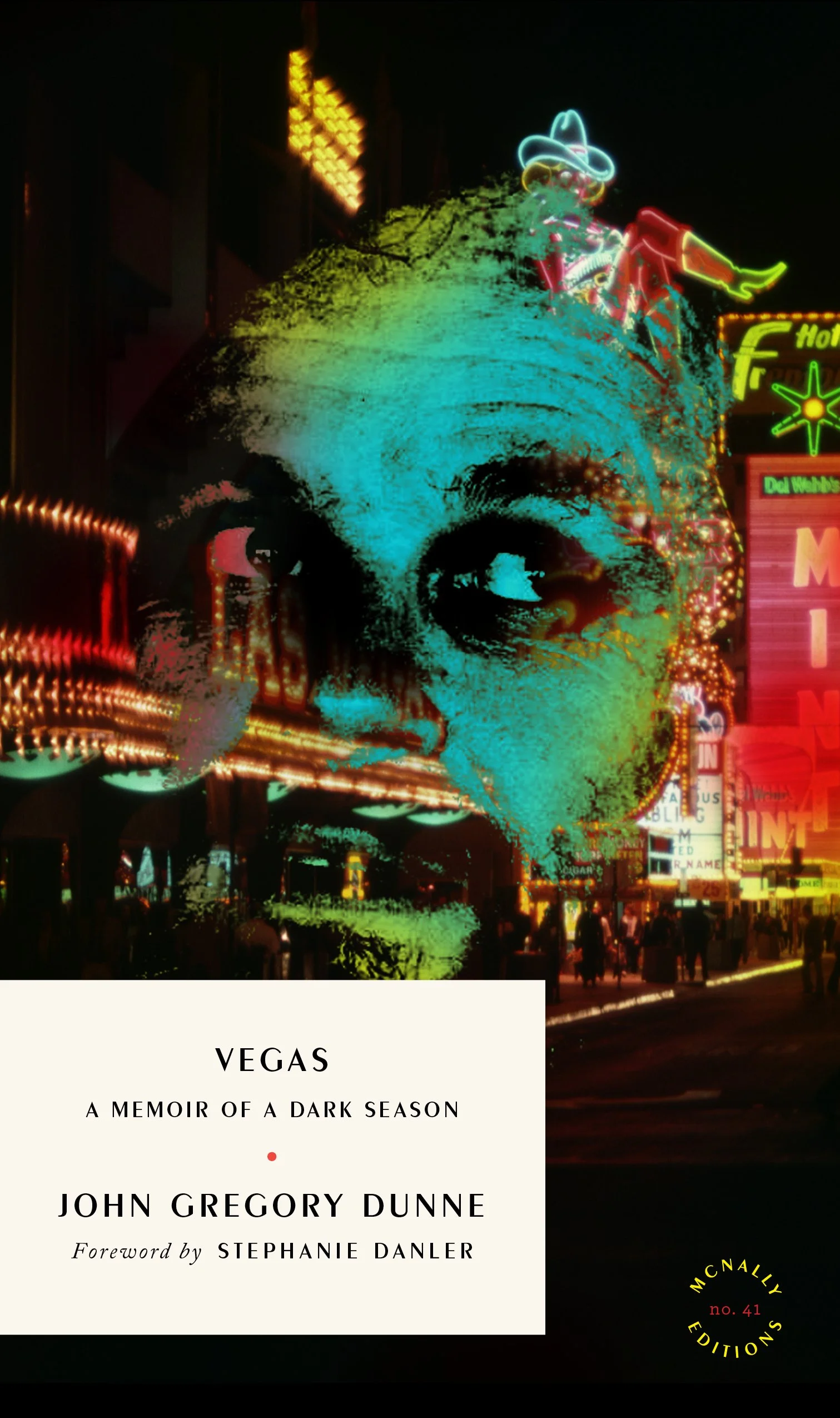
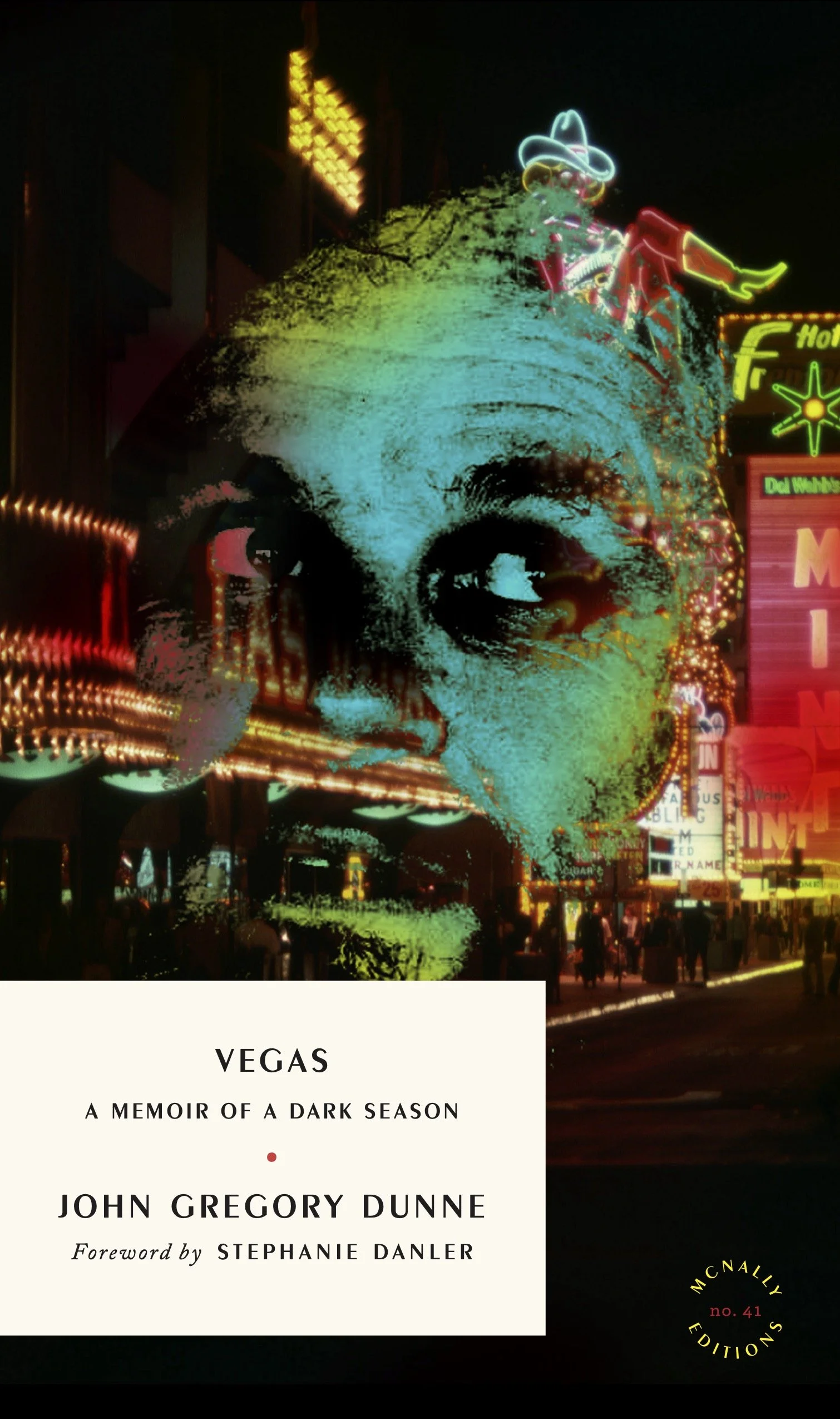
John Gregory Dunne
Foreword by Stephanie Danler
“The best book about Sin City ever written . . . [Dunne’s] grotesqueries aren’t drug-induced, they’re very real. His is the genuine Vegas.” —Sean Manning, Esquire
“A fine, wry, perceptive, graceful book that does as much for the dark side of the American funhouse as Hunter Thompson’s Fear and Loathing in Las Vegas did for the manic side.” —Jonathan Yardley, The New York Times Book Review
Vivek Shanbhag
Translated from the Kannada by Srinath Perur
“Not since Kafka has a writer created such terror and tenderness on the same page. Vivek is probably the best writer writing in any language anywhere . . . If you want to read one novel from anywhere in the world, read Sakina’s Kiss.” —Mohammed Hanif
A taut story of hidden violence and self-deception from “an Indian Chekhov” (Suketu Mehta)
Kathleen Lonsdale
Foreword by Maria Popova
Marginalian Editions presents a trailblazing Quaker scientist’s slender masterwork of moral courage, penned at the height of the Cold War, envisioning a transformation of the human spirit and our politics that might enable the triumph of peace.
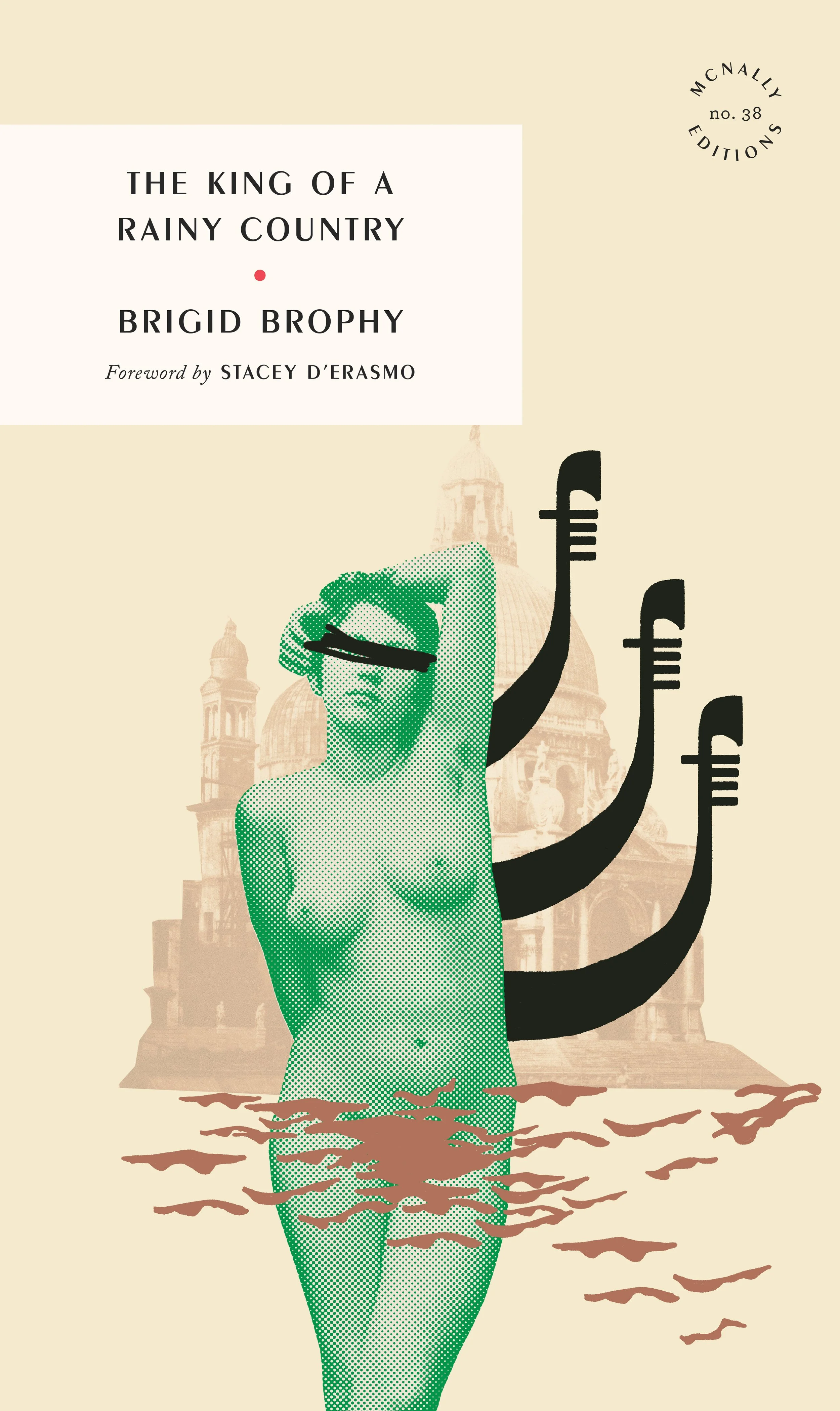
Brigid Brophy
Foreword by Stacey D'Erasmo
“This pitch-perfect novel, an inquiry into romanticism and disaffection, is witty, unexpectedly moving and a revelation again of Brophy’s originality. Entirely of its time, it remains ahead of itself even now.” —Ali Smith
A delightful, queer quest for love, and a comic jaunt across Europe that’s “sharp, funny and clever, and fresh as new paint” (The Times).
Ariane Bankes
“An enchanting double-helix biography . . . Contains enough mad capers, heaving proposals and dramatic death throes to be a veritable Harlequin romance for the literary set . . . It’s lacy and necessary filigree between the sober straight lines of history.” —Alexandra Jacobs, The New York Times Book Review
For fans of Nancy Mitford’s The Pursuit of Love, this is the real-life story of Celia and Mamaine Paget: “devoted twins, whose lives and loves traversed the intellectual currents and crises of mid-twentieth century Europe” (Rupert Christiansen).
David Foster Wallace
Foreword by Sarah McNally
“Enthralling . . . Something to Do with Paying Attention has the spirit of [Wallace’s] best non-fiction . . . You open [the] text and it wakes. What is alive in it passes to the living. His attention becomes our attention.” —Patricia Lockwood, London Review of Books
David Foster Wallace’s last unfinished work, a wise and unexpected tour de force “using the IRS the way Borges used the library and Kafka used the law-courts building: as an analogy for the world.” —John Jeremiah Sullivan, GQ
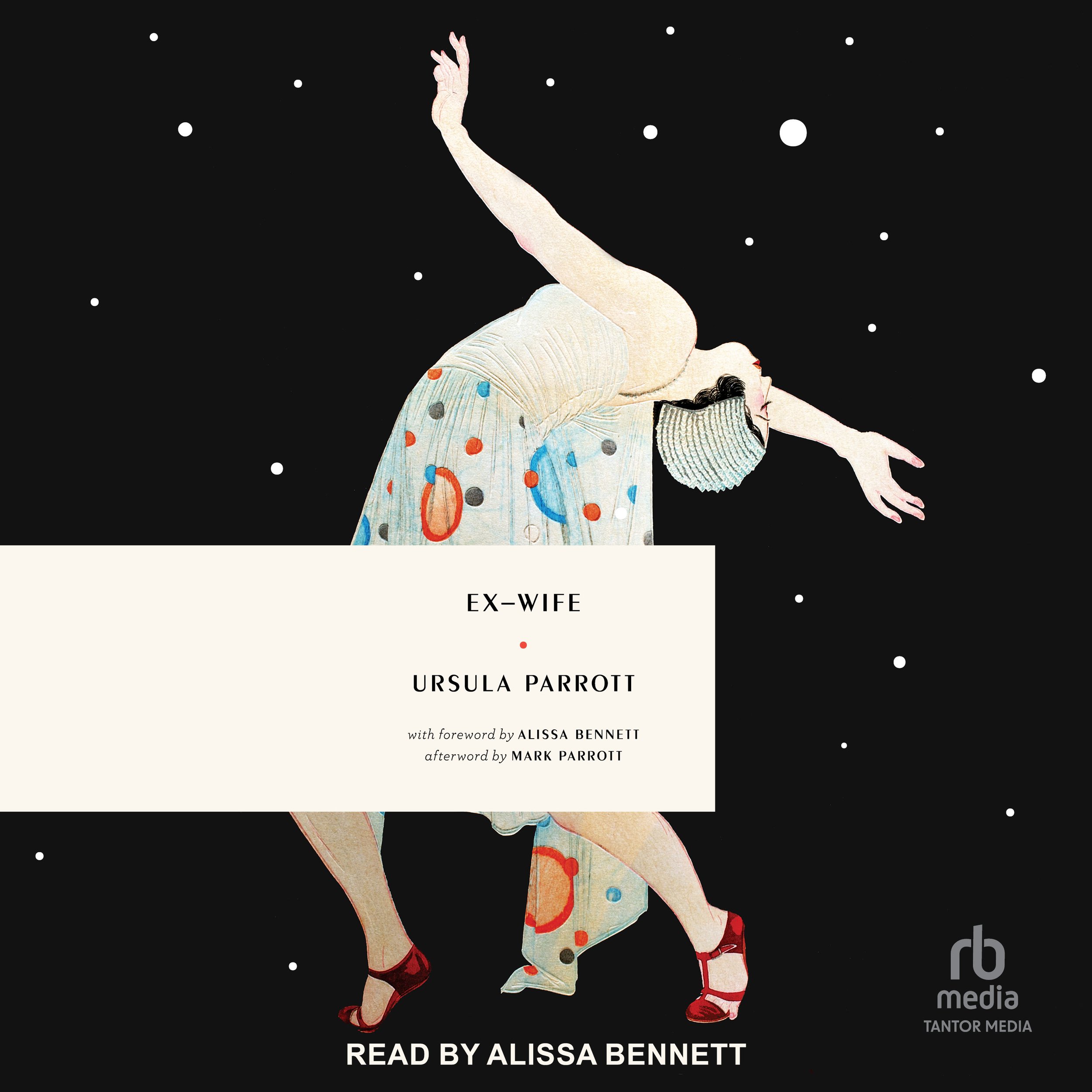
Ursula Parrott
Foreword by Alissa Bennett
Afterword by Marc Parrott
“Precociously aphoristic and coolly unsentimental . . . Like Fitzgerald but from a woman’s perspective . . . As if Dorothy Parker, Noël Coward, and Oscar Wilde had collaborated to examine the war between the sexes in the post-Victorian era.” —Joyce Carol Oates, The New York Review of Books
An instant bestseller when it was published anonymously in 1929, Ex-Wife is the story of a divorce and its aftermath that scandalized the Jazz Age—and still resonates today.
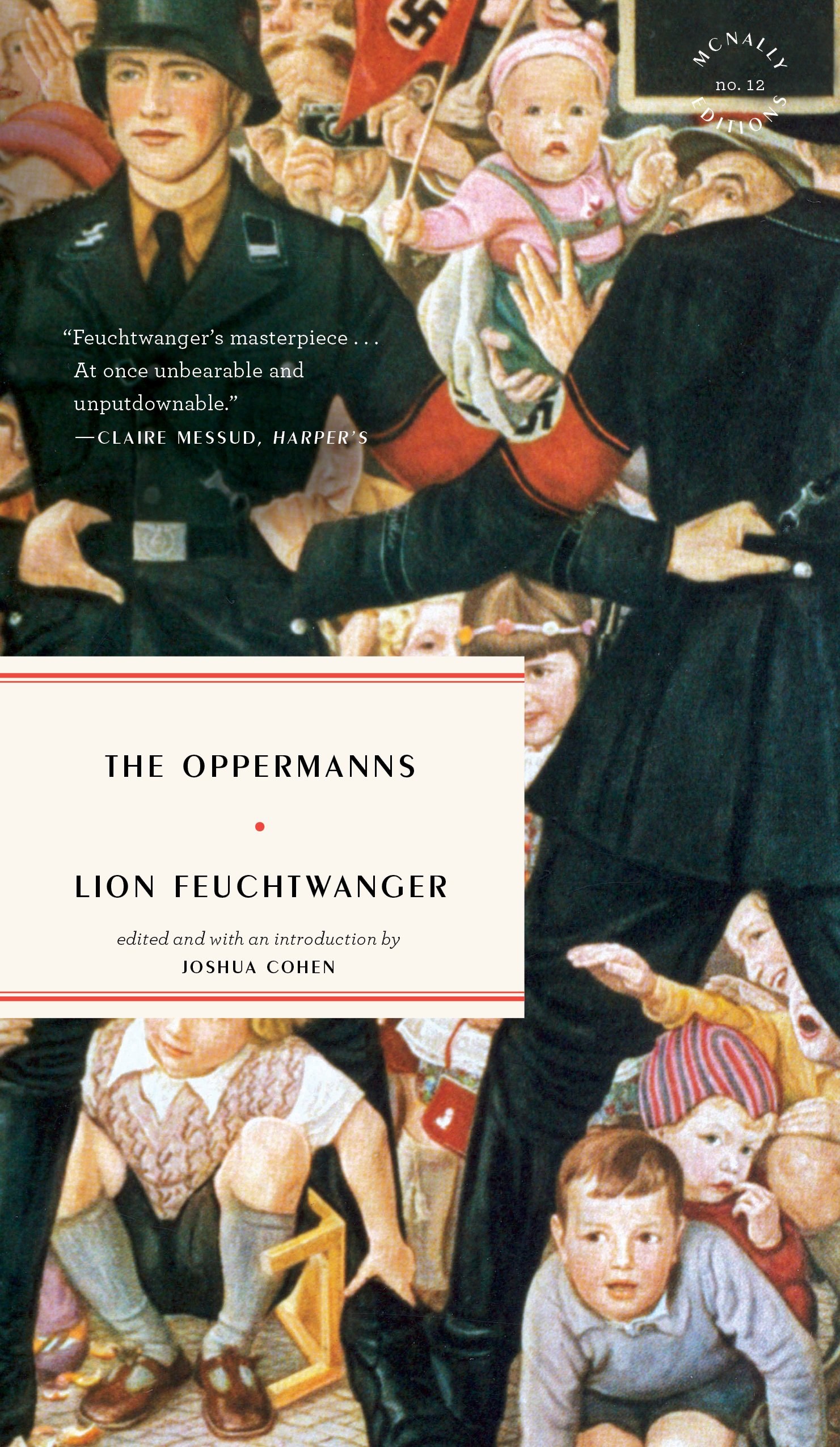
Lion Feuchtwanger
Translation revised and introduced by Joshua Cohen
Translated from the German by James Cleugh
Notes by Richard J. Evans
“A long-forgotten masterpiece published in 1933 . . . A remnant of a world sick with foreboding, incredulity, creeping fear, and—this may feel most familiar to us today—the impossibility of gauging whether a society is really at the breaking point.” —Gal Beckerman, The Atlantic
Written in real time, as the Nazis consolidated their power over the winter of 1933, The Oppermanns captures the fall of Weimar Germany through the eyes of one bourgeois Jewish family, shocked and paralyzed by an ideology they cannot comprehend.
Gary Indiana
“Literature with the filter off . . . Rent Boy is a multi-faceted little gem . . . the sort of funny, sick, weird little book you never forget.” —John Self, The Critic
A noir tour-de-force set in a world of hustlers by “a shark in US literature’s calm waters” (The Guardian).
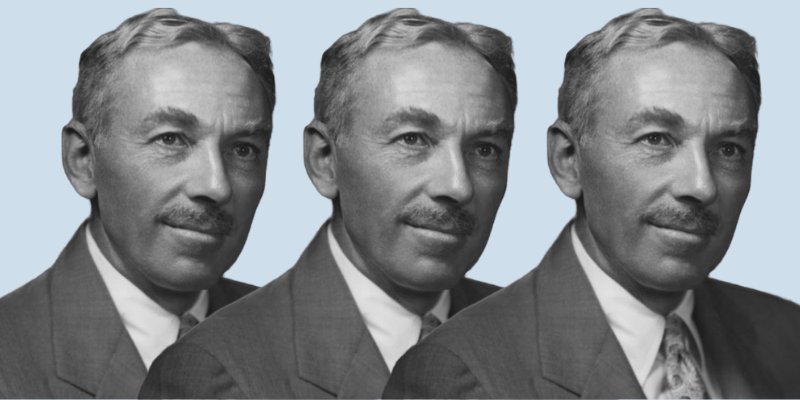
E. B. White
Foreword by Martha White
“Jewels of observation . . . A world described in such loving detail overflows with wonders: The rigorous attention in Sketches is a kind of re-enchantment.” —Becca Rothfeld, The Washington Post
E. B. White’s greatest stories, asides, essays, jokes, and tall tales about the city he arguably saw clearest, loved best, and skewered most mercilessly.
ALSO AVAILABLE AS A POCKET HARDCOVER GIFT EDITION
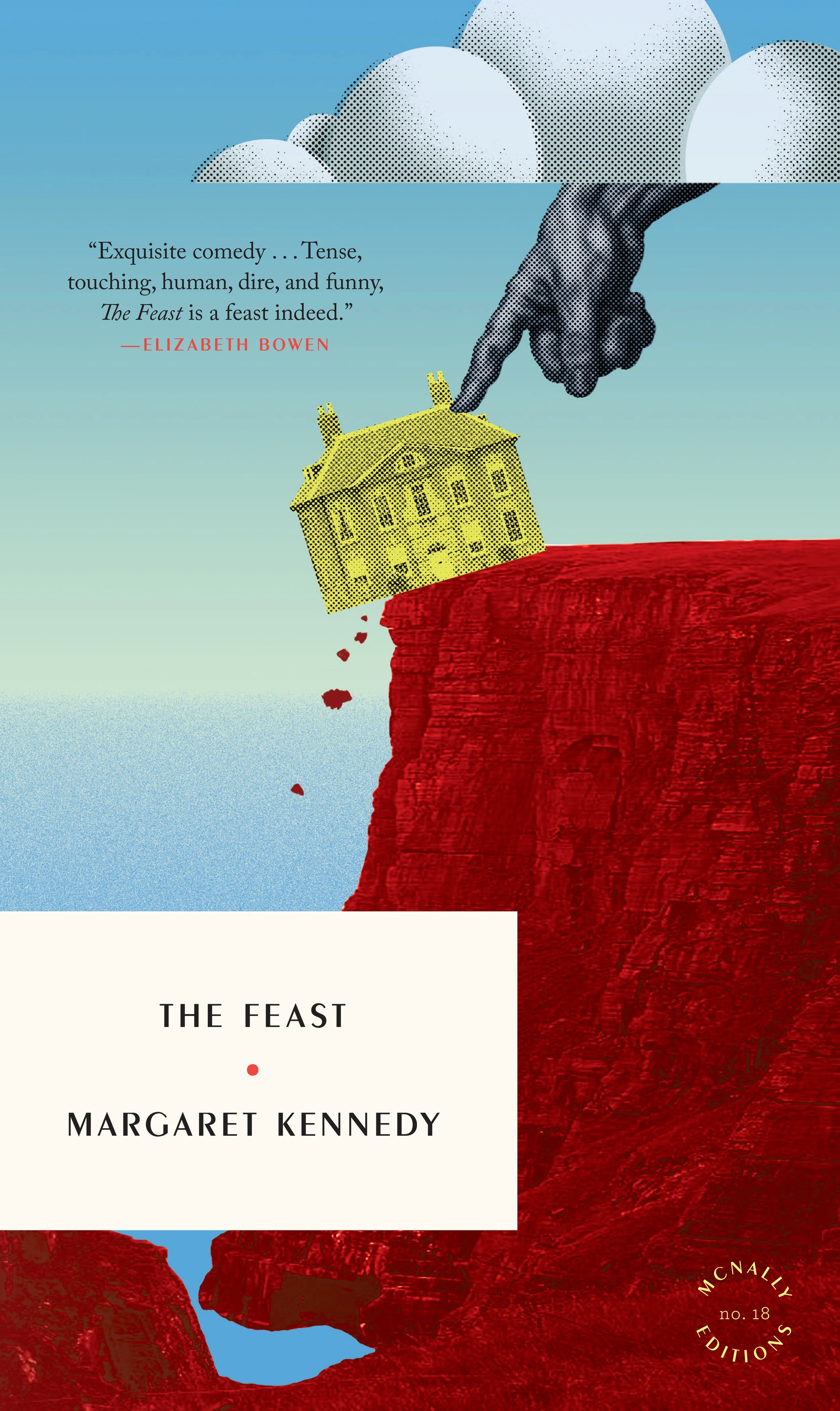
Margaret Kennedy
“The perfect seaside holiday read. We’re in Cornwall in 1947, where a landslide has buried a hotel, fatally crushing guests in the rubble . . . The nail-biting tension to discover who actually survived the tragedy will keep you on the very edge of your deckchair.” —Val Hennessy, The Daily Mail
A hilarious and ingenious upstairs-downstairs tragicomedy from postwar England, set at a doomed seaside resort.
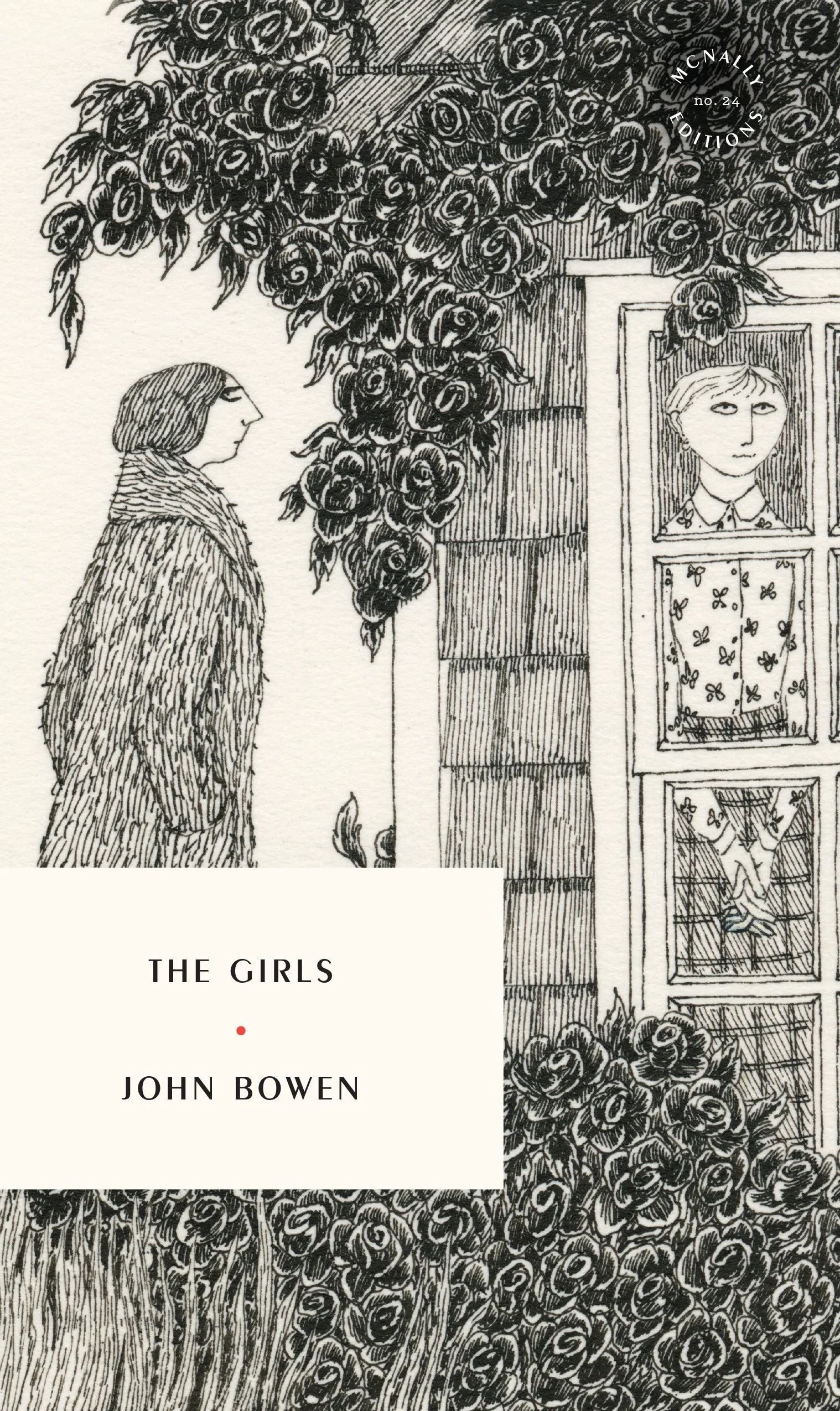
John Bowen
“Genteel, if peculiar, mayhem is in store . . . [For] people who like Myra Breckinridge as well as Miss Marple; fans of Beryl Bainbridge, Russell Greenan and Patricia Highsmith; those who feel Barbara Pym-ish on some days and Stephen King-ish on others.” —Michele Slung, The Washington Post
A wry, macabre tale of simple country living, brutal murder, and a reasonably happy couple, from our “most startlingly offbeat suspense novelist” (Gore Vidal).
Wilfrid Sheed
Foreword by Gerald Howard
“A masterpiece . . . One of the few genuinely comic novels since Lucky Jim.” —Elaine Dundy
“If Joseph Heller, Henry James, Evelyn Waugh and Kingsley Amis collaborated on a scathing novel of cubicle mutiny, it might resemble Wilfrid Sheed’s delightful Office Politics.” —Robert Allen Papinchak, The Times Literary Supplement
Dorothy Parker
Foreword by Sloane Crosley
“Does anyone know how hard it is to be that funny? . . . Read her book reviews. Read them now and see how good they are.” —Fran Lebowitz
“In Parker’s hands, the humble book review becomes an instrument as expressive as a lyric poem.” —Nicholas Frankel, The Wall Street Journal
Dorothy Parker’s complete weekly New Yorker column about books and people and the rigors of reviewing.
John Gregory Dunne
Foreword by Stephanie Danler
“The best book about Sin City ever written . . . [Dunne’s] grotesqueries aren’t drug-induced, they’re very real. His is the genuine Vegas.” —Sean Manning, Esquire
“A fine, wry, perceptive, graceful book that does as much for the dark side of the American funhouse as Hunter Thompson’s Fear and Loathing in Las Vegas did for the manic side.” —Jonathan Yardley, The New York Times Book Review
Edmund White
Foreword by Garth Greenwell
“Artful vignettes from a life passed between Bohemian and cafe societies, in Italy and Spain, on a decaying American estate, on the New York piers . . . It is exquisite prose . . . A writer of great talent and high art.” —John Yohalem, The New York Times
The letters of a seducer to the great love of his life, a sensual tour-de-force by “the paterfamilias of queer literature” (New York Times).
Kay Dick
Afterword by Lucy Scholes
“A creepily prescient tale in which anonymous mobs target artists and destroy their art for the crime of individual vision. Insidiously horrifying!” —Margaret Atwood
A rediscovered, dystopian classic about a mass movement to quash individuality and art—“queer, English, a masterpiece.” (Hilton Als)
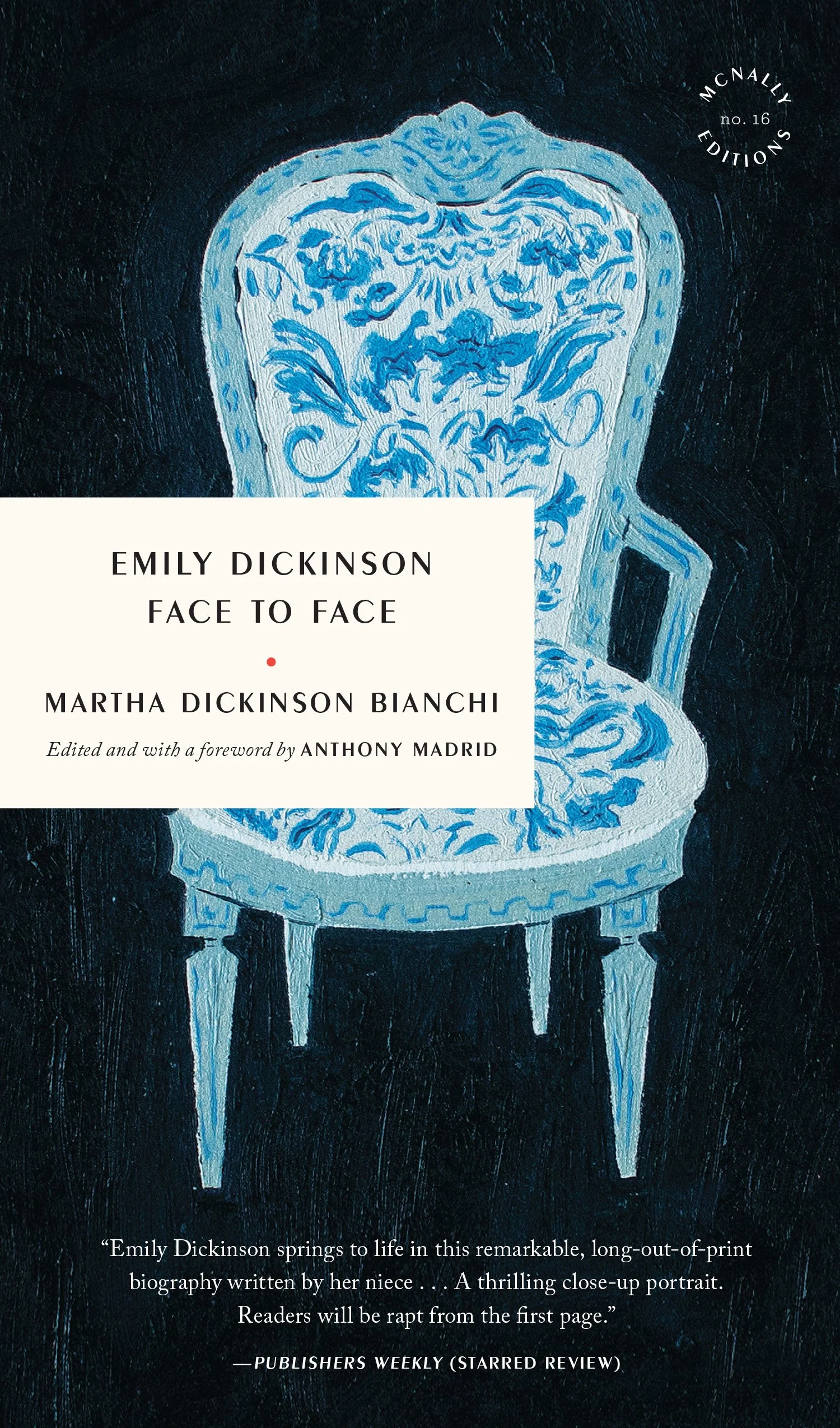
Martha Dickinson Bianchi
Edited and with a foreword by Anthony Madrid
“Emily Dickinson springs to life in this remarkable, long-out-of-print biography written by her niece . . . Though millions of pages have been written about Dickinson . . . few have provided such a thrilling close-up portrait. Readers will be rapt from the first page.” —Publishers Weekly (Starred Review)
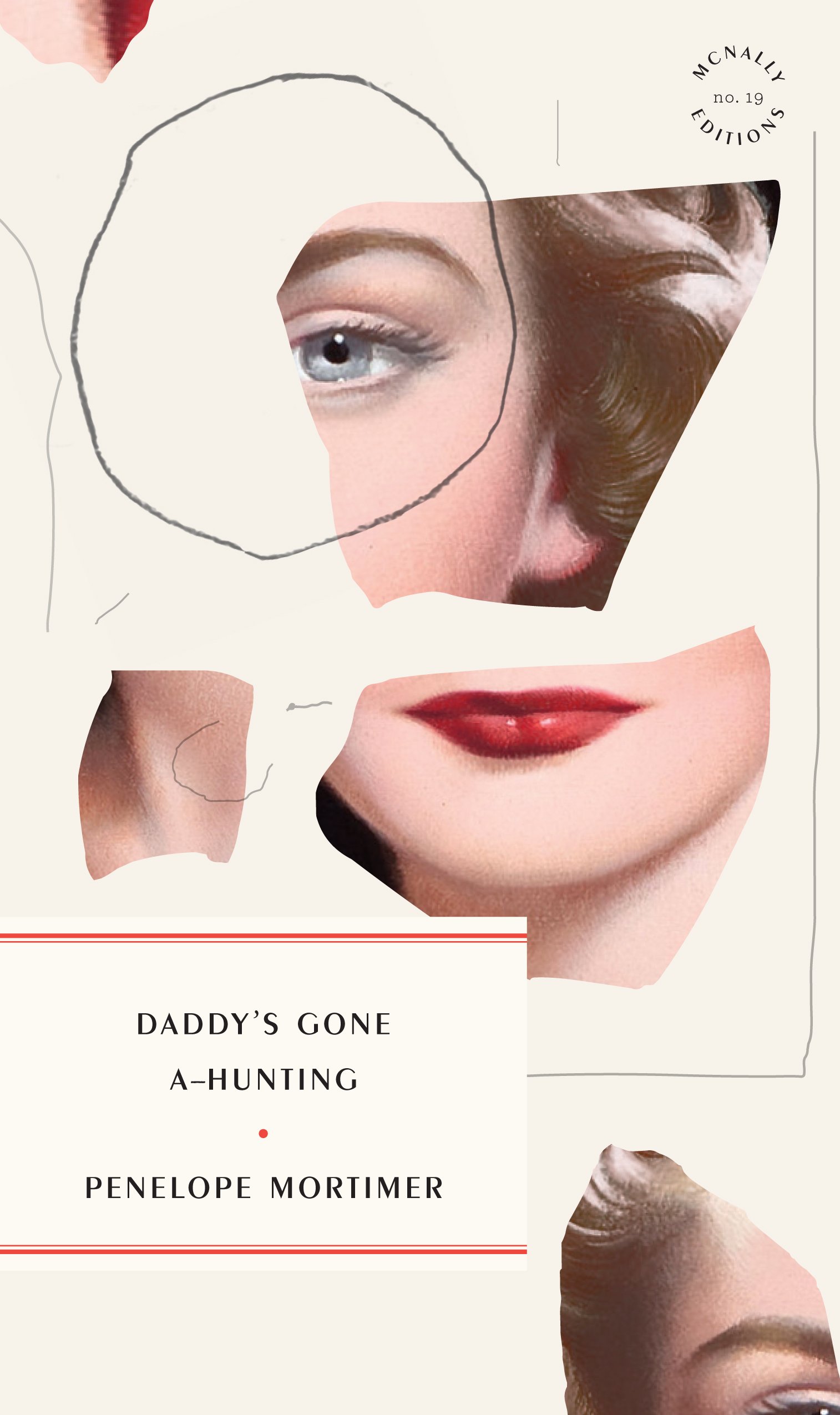
Penelope Mortimer
A breakthrough novel of suburban loneliness and subversion—“her style, spare and singular, cuts through the decades like a scalpel” (Rachel Cooke, The Observer)
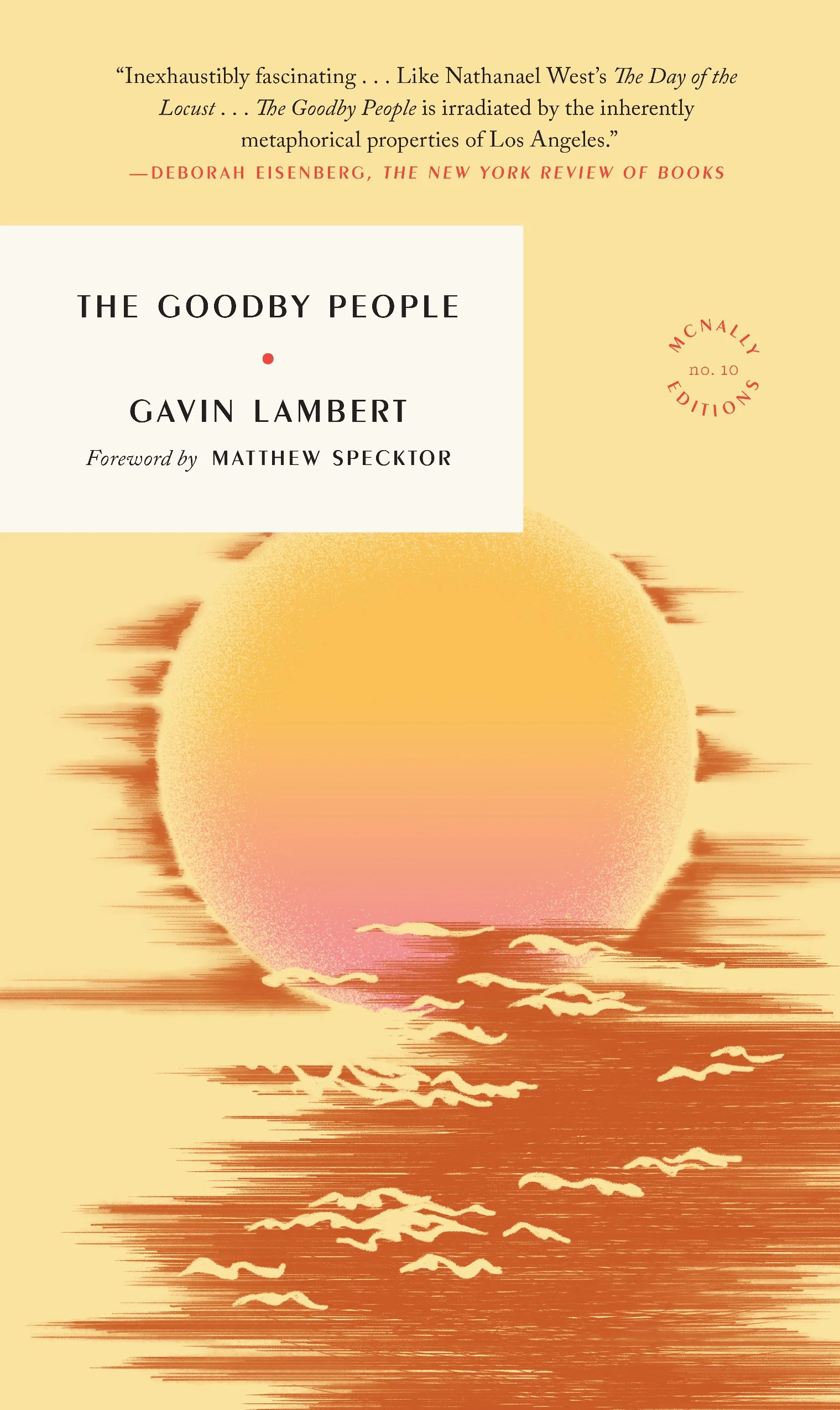
Gavin Lambert
“1971, in the city of Los Angeles, where the earth trembles and the hedonistic sun shines no matter what . . . Like Nathanael West’s The Day of the Locust . . . The Goodby People is irradiated by the inherently metaphorical properties of Los Angeles.” —Deborah Eisenberg, The New York Review of Books
First published in 1971, The Goodby People is perhaps the greatest novel ever written about post-Manson, pre-Disney Los Angeles. “His elegant, stripped-down prose caught the last gasp of Old Hollywood in a way that has yet to be rivaled.” (Armistead Maupin)
Han Suyin
Foreword by Sarah Waters
“[A] silvery, suggestive novella of love and friendship. The year is 1944, the place is London, and all the young men are at war. We find ourselves at Horsham Science College with a group of women . . . Read if you like: Sally Rooney, E.M. Forster, the Todd Haynes film Carol.” —Molly Young, The New York Times
An unheralded queer classic by a groundbreaking Eurasian writer, Winter Love is the stirring account of a life-altering affair in wartime London—“Han Suyin’s outstanding achievement . . . her finest novel.” (Alison Hennegan)
Djuna Barnes
Edited and with a foreword by Merve Emre
“Like a dark lesbian genius rolling in a giant heap of damp, dead leaves.” —Eileen Myles
“This supple collection from Barnes shaves the themes of lost innocence, unrequited love, and death of her modernist masterwork, Nightwood, into febrile confessions . . . These memorable sketches unfurl a barbed wisdom of the grave.” —Publishers Weekly
The best of Djuna Barnes’s dark, droll, incisive short fiction, spanning her all-too-brief career, edited and introduced by Merve Emre.
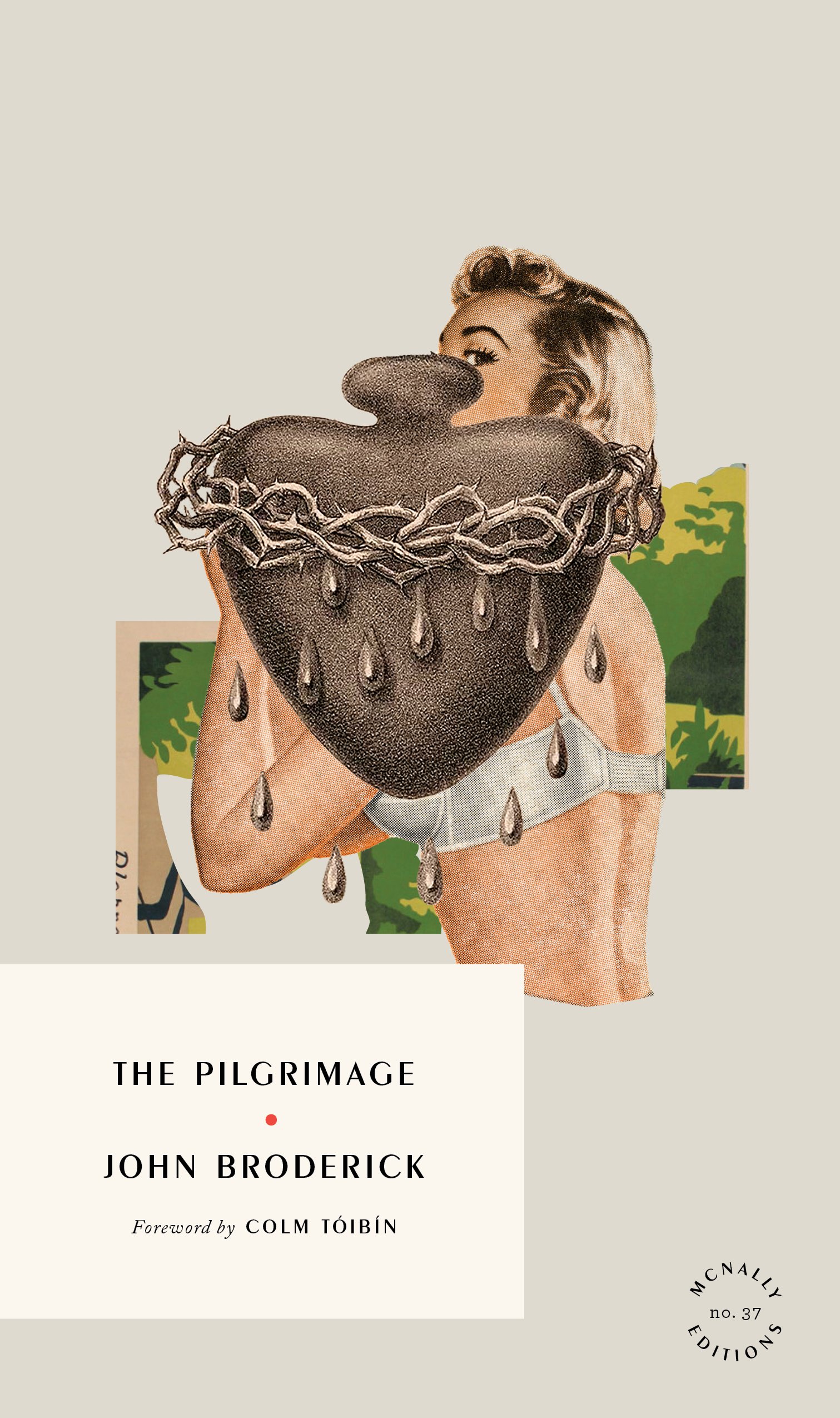
John Broderick
Foreword by Colm Tóibín
“Pulsating with passion, parochialism, guilt and greed, this exposé of scandal and secrets is shocking and witty.” —Sally Morris, The Daily Mail
An erotic nightmare of Catholic longing, guilt, and desire and a banned classic of modern Irish literature.
Michael W. Clune
With a new foreword by the author
“If you’ve ever wanted to know what an exceptional critical mind looks like on drugs, read White Out . . . A hilarious and scandalous and frightening chronicle of full-blown heroin addiction (and graduate school!) . . . The best book about drugs since [Baudelaire’s] Les Paradis Artificiels.” —Ben Lerner, The New Yorker, Best Books of the Year
The tenth-anniversary edition of Michael Clune’s classic memoir of addiction and recovery, with a new preface by the author.
Maxine Clair
“How rare it is to find a book that contains such indelible characters, and such enormity of heart. Welcome back, Rattlebone, may you get all the love and attention you have long deserved.” —Ann Patchett
Too long unavailable, this luminous classic of small-town life in the segregated 1950s has “magic dust sprinkled over each and every page” (Veronica Chambers, New York Times Book Review).
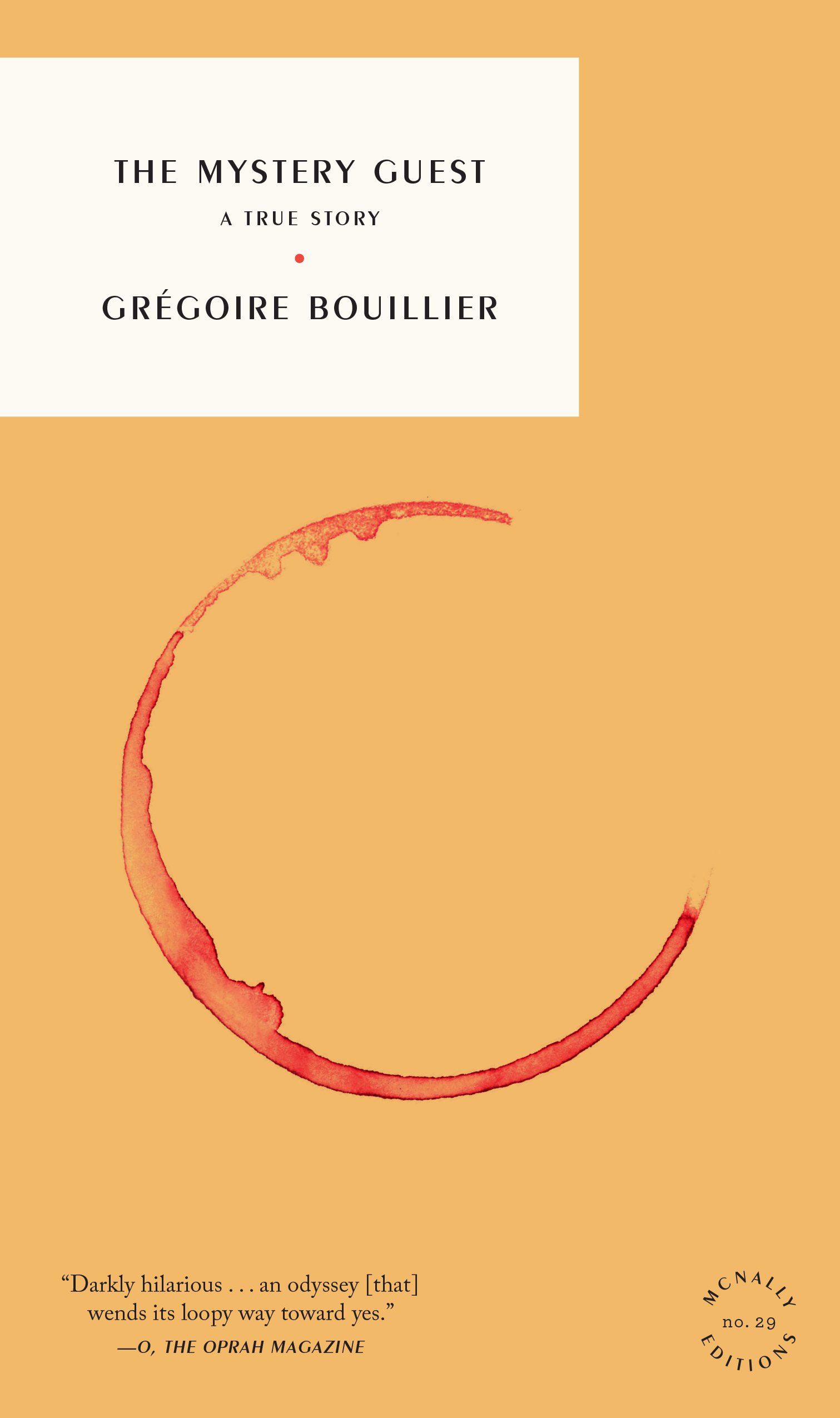
Grégoire Bouillier
Translated from the French by Ben Truman
“Somewhere out in the woeful constellation of literary comparison, a lonely satellite drifts between remote stars—Ulysses and Mrs. Dalloway, The Stranger and When Harry Met Sally . . . This perfect little book [says]: We are human, heartbroken, grim, and funny in our despair, yet hopeful and miracle-prone, and some of us are French.” —John Hodgman
A “frank and wry, mad and graceful” true story about getting dumped, and getting over it. (Slate, Best Books of the Year)
Mary Gaitskill
“Gaitskill is an era-defining talent, one of the best American fiction writers working today, and the book is a collage of fiction, autobiography, and fairy tale that seeks, through ‘ordered disorder,’ to approach a fundamental thing about making art.” —Valerie Stivers, Compact Magazine
A bewitching collage of fiction, memoir, and mythography from the author unique in her “ability to evoke the hidden life, the life unseen, the life we don’t even know we are living.” (Parul Sehgal, New York Times Magazine)
Todd Grimson
“If Raymond Chandler or Flannery O’Connor had written a vampire novel, it might read with the brutal and passionate clarity of Stainless . . . The ultimate late night in L.A.” —Katherine Dunn
A bloody, erotic love story from “the greatest horror writer you’ve never read . . . In Stainless, Todd Grimson set out to write ‘the Ultimate, Final Vampire Novel’—and succeeded.” (The Guardian)
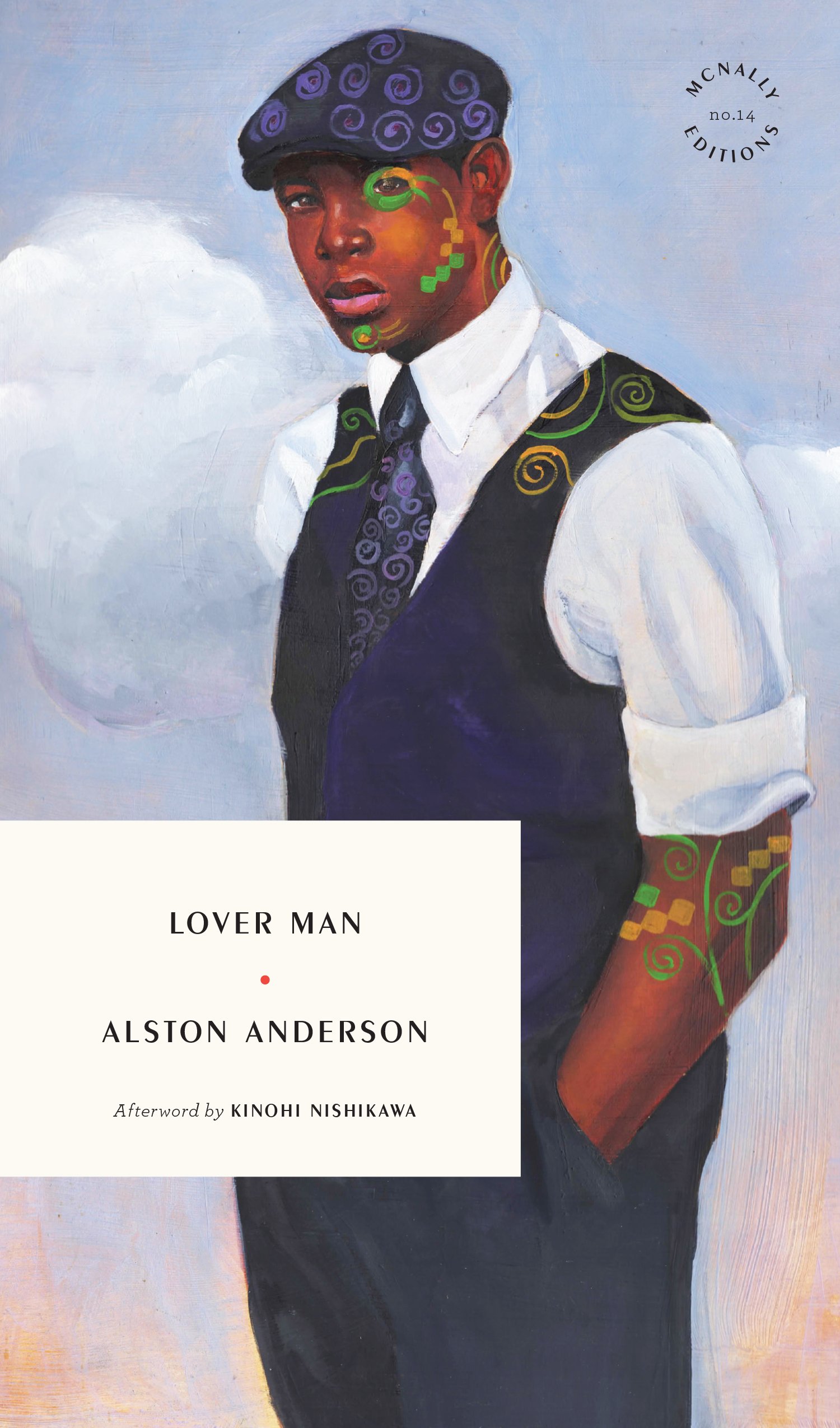
Alston Anderson
Afterword by Kinohi Nishikawa
“A gem of Americana . . . These stories span the early decades of the 20th century and address with nuance the Black characters’ negotiations with youthful turmoil, sexual desire, and race in the U.S. . . . This deserves a place on the shelf of mid-century classics.” —Publishers Weekly (Starred Review)
A classic of 1950s Black fiction: stories of loners, outsiders, tricksters, addicts, jazzmen, and drifters in the Jim Crow South by “a writer with a perfect ear, a warm heart, and an amazing capacity to seize character and make it live” (Selden Rodman, The New York Times)
Ann Schlee
Foreword by Lauren Groff
“Enchanting . . . She writes historical novels that are more advanced, more interested in feminism, for instance, than her contemporaries . . . Ann Schlee’s wider vision is adventurous and sunlit.” —Jane Gardam, Slightly Foxed
On a Victorian pleasure cruise, a chance encounter opens the floodgates to desire, regret, and possibility in this “little period gem of feeling and clarity” (The Guardian), which was shortlisted for the Booker Prize.
Hockley Clarke
Foreword by Maria Popova
“Each page [is] a radiance of curiosity and kindness, the whole of it a bright assurance of the tenacity of life . . . To extend [friendship] across the barrier of biology and sentience, to another creature endowed with a wholly other consciousness, partakes of the miraculous.” —Maria Popova, from the Foreword
From Marginalian Editions comes a moving meditation on our connection with other creatures, told through the unforgettable story of a family of blackbirds sharing a birder’s backyard garden.
COMING JUL 21, 2026
Éric Rohmer
Foreword by André Aciman
Translated from the French by Aaron Kerner
“The father of the French New Wave . . . Rohmer’s surfaces aren’t placid but taut; they’re smooth because of their almost unbearably high tension.” —Richard Brody, The New Yorker
Witty banter, lust, ennui, and an undercurrent of violence underlie a seemingly paradisiacal summer on the eve of World War II, in this landmark translation of the first and only novel by Éric Rohmer, the French New Wave’s most prolific and beloved filmmaker.
COMING JUL 7, 2026
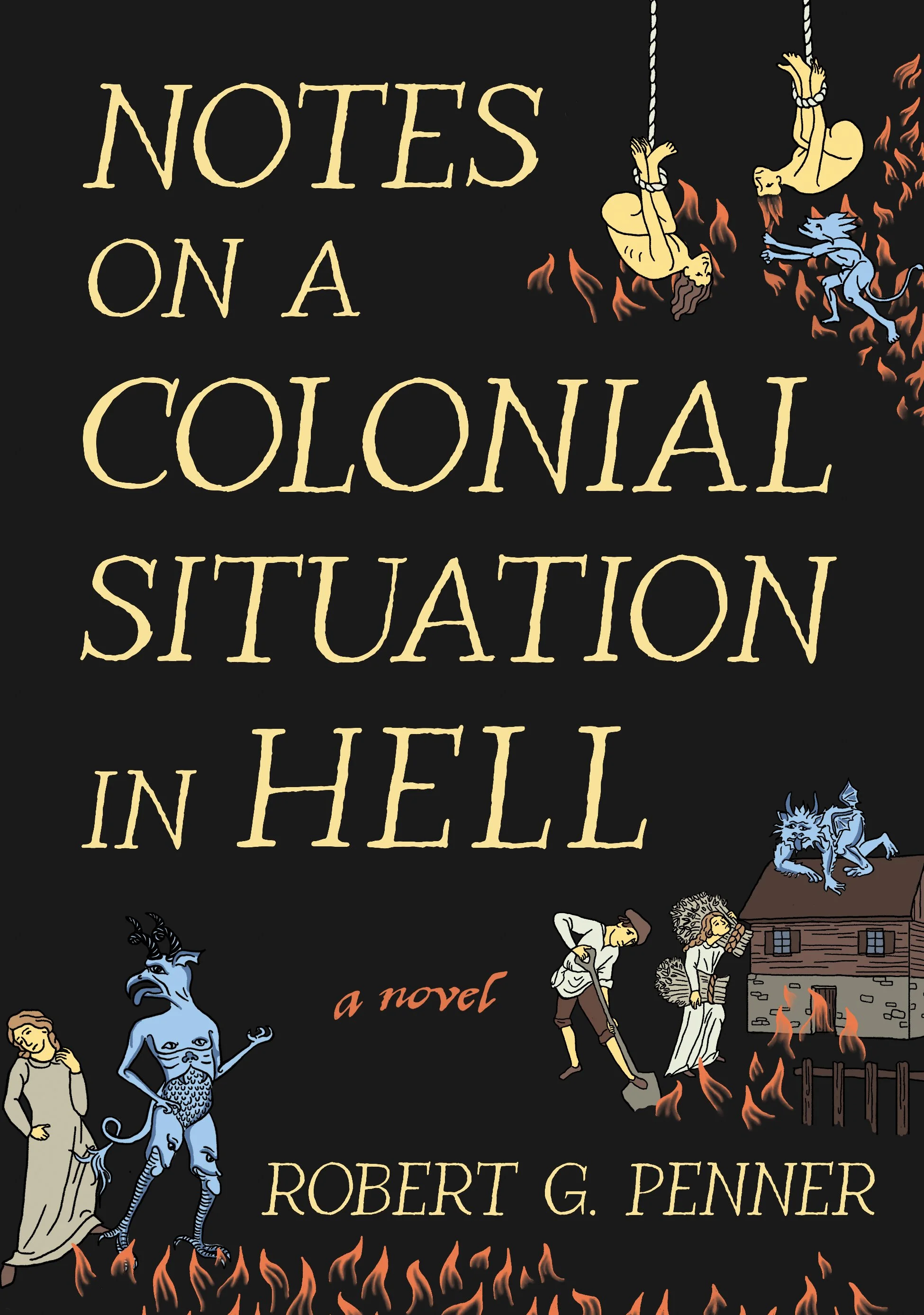
Robert G. Penner
“Tastefully insane and morbidly fun . . . delightfully realistic . . . Dante’s Inferno as envisioned by Monty Python. A sidesplitting pleasure.” —Molly McGhee, author of Jonathan Abernathy You Are Kind
The empire on which the sun never sets has turned its ambitions toward a land where it’s never even risen: Victorian Britain is colonizing Hell itself.
COMING SEP 2026
Agnes Owens
Foreword by Megan Nolan
“A hidden treasure of Scottish literature, read this and then read all her other works.” —Douglas Stuart
A mordant, cautionary tale about a working-class woman hemmed in on all sides, from the writer Alasdair Gray called “the most unfairly neglected” in Scottish literature.
COMING OCT 2026
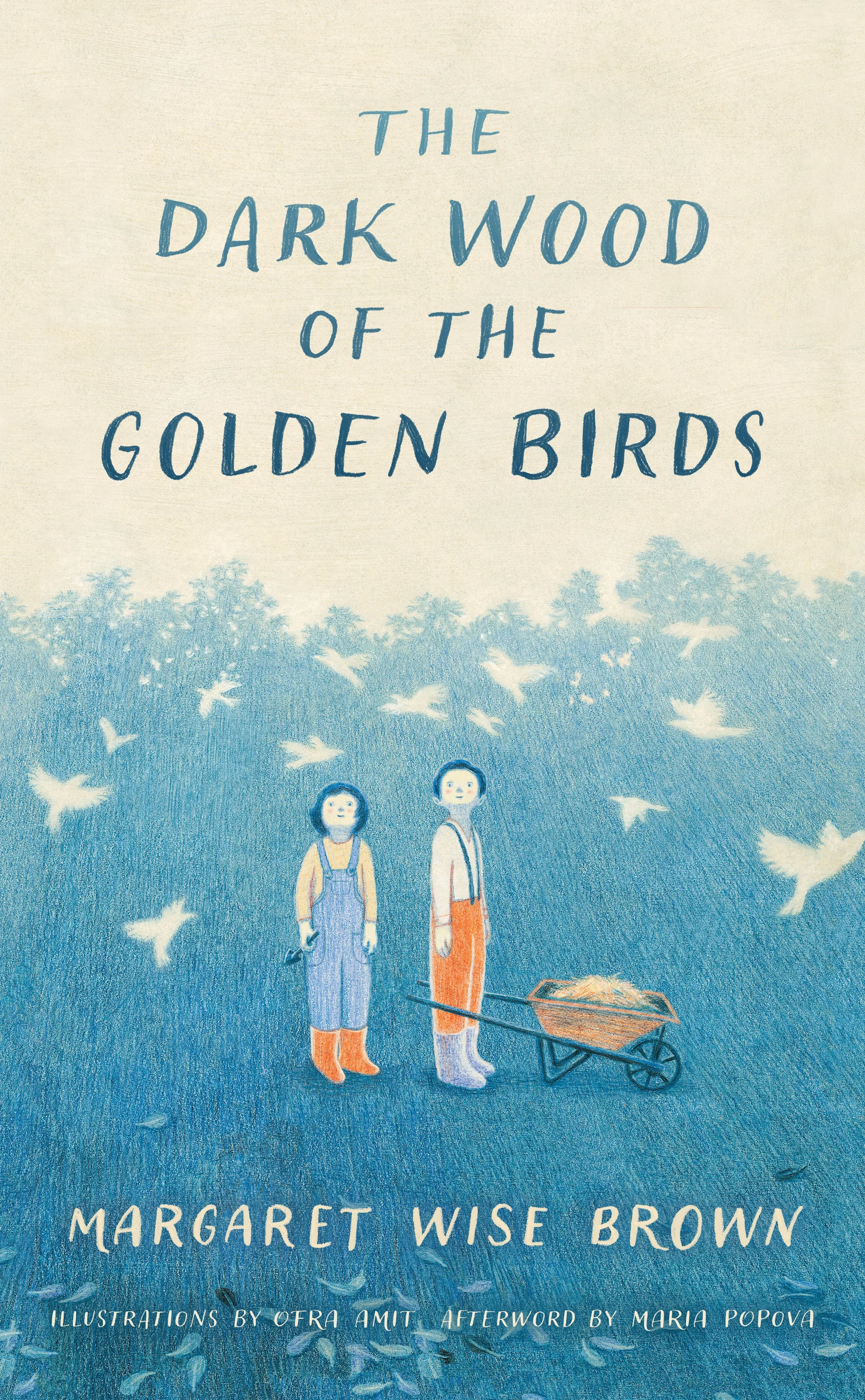
Margaret Wise Brown
Illustrations by Ofra Amit
Afterword by Maria Popova
“I fell instantly under the spell of this crepuscular story aglow with love and longing . . . Margaret’s love letter to the mystery of death . . . bittersweet and beautiful like the transience of life itself.” —Maria Popova, from the Afterword
A Marginalian Editions rediscovery, by the author of Goodnight Moon: Margaret Wise Brown’s little-known, deeply moving modern fable about love and loss.
COMING OCT 2026

E. B. White
Foreword by Martha White
“Jewels of observation . . . A world described in such loving detail overflows with wonders: The rigorous attention in Sketches is a kind of re-enchantment.” —Becca Rothfeld, The Washington Post
Now in a beautiful hardcover gift edition: E. B. White’s wisest and wittiest homages to his beloved, bedeviled, beguiling New York City.
COMING NOV 2026
ALSO AVAILABLE AS A MCNALLY EDITIONS PAPERBACK
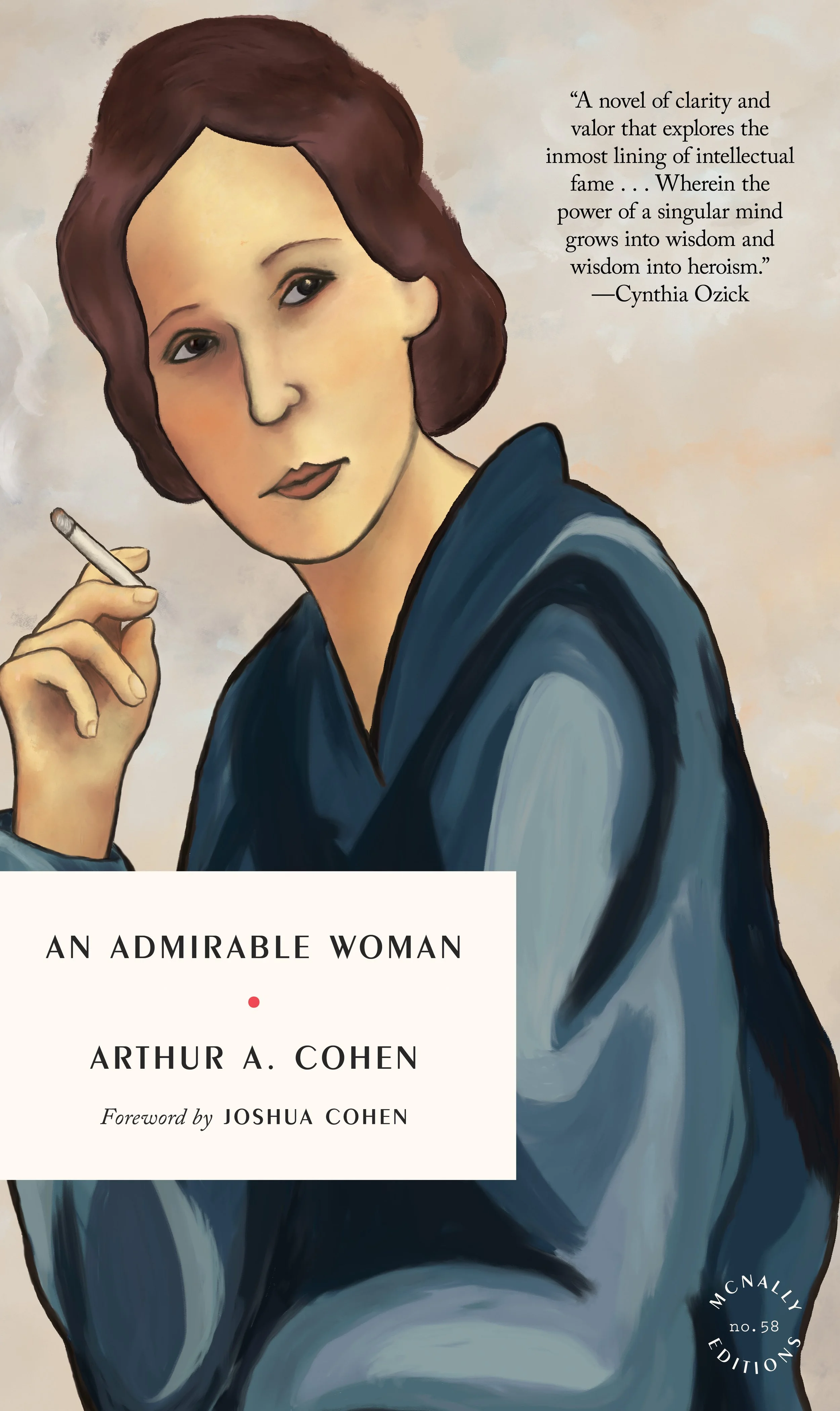
By Arthur A. Cohen
Foreword by Joshua Cohen
“A novel of clarity and valor that explores the inmost lining of intellectual fame . . . Wherein the power of a singular mind grows into wisdom and wisdom into heroism.” —Cynthia Ozick
Winner of the National Jewish Book Award for Fiction: A captivating portrait of a courageous anti-authoritarian thinker living in exile, inspired by the life story of Hannah Arendt.
COMING NOV 2026
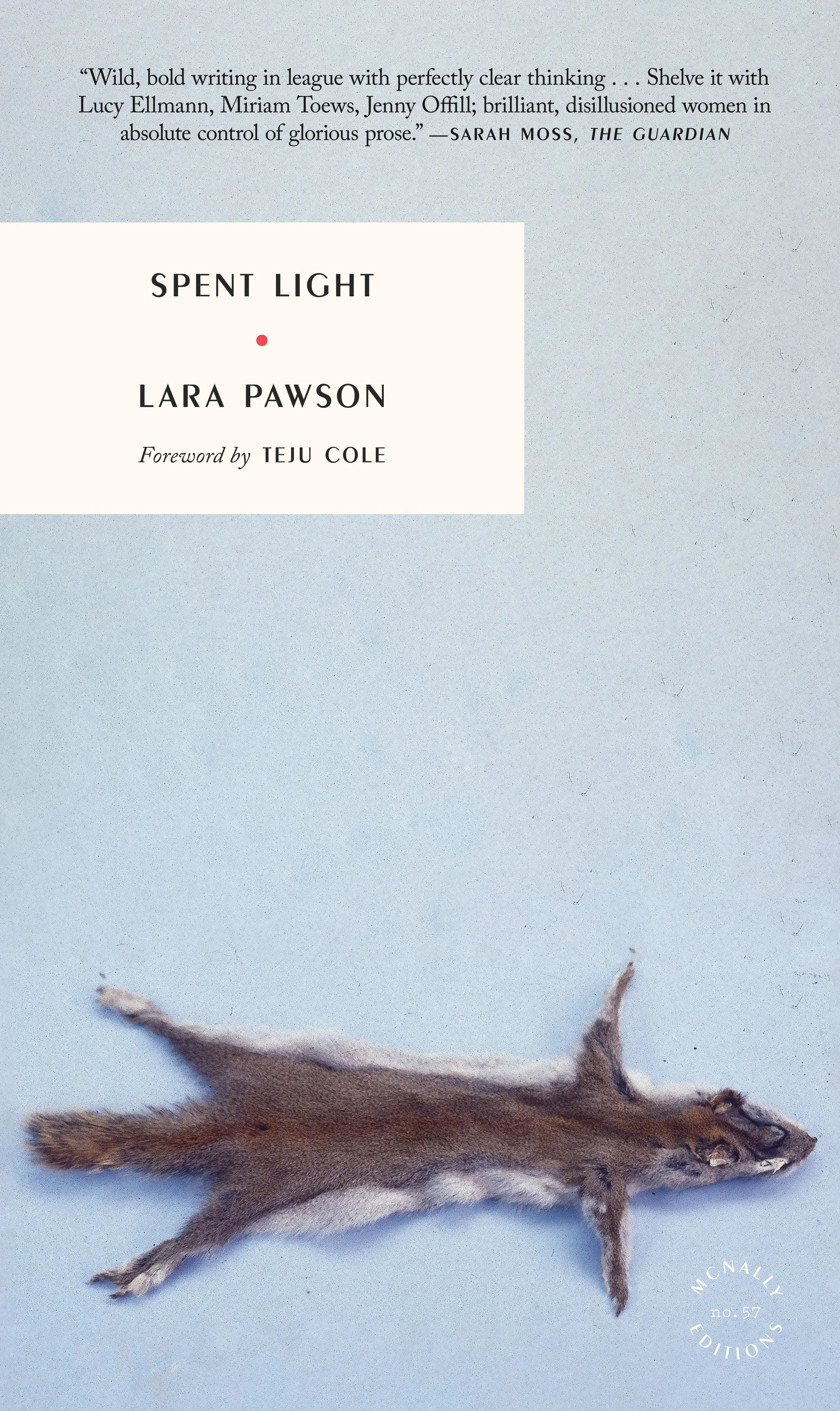
By Lara Pawson
Foreword by Teju Cole
“Through the length of this short book a woman’s thoughts are drifting, as it might be towards sleep but constantly jarring the reader wide awake. Who is she, and why do her thoughts turn to sex and violent death when prompted by everyday objects as banal as a fridge magnet? Lara Pawson is a writer for the end of times and Spent Light deserves to survive them.” —Tom Stoppard
COMING JAN 2027
I can't recall when it was that I first read Beryl Bainbridge. Growing up in the UK, she was always there—on the bookshelves alongside Muriel Spark, Barbara Pym, Anita Brookner, and any number of other literary grande dames. She was a writer known for her macabre, fearless, hugely entertaining, extremely funny, and deliciously clipped novels. Imagine my surprise then when I learned her name doesn’t quite elicit the same recognition in the US.
An Awfully Big Adventure is set in Liverpool around 1950, when the city was still under the long shadow cast by World War II: men and women walk around with visible and invisible scars; material comforts are scarce. Memory is the only possession many characters can claim. And claim it they do, bittersweet or purely bitter, inconvenient at times, often untrustworthy.
I expected A Domestic Animal to be a document of gay life in a benighted past. It isn’t, exactly. The American Psychiatric Association notoriously considered homosexuality a pathology until 1973. Dick does them one better; maybe love is a private experience by definition, maybe—gay or straight—it’s a disease without a cure.
The Way to Colonos ruthlessly dramatizes the limits of individual freedom and the agony of facing one’s powerlessness. The book has recently been reissued at what feels like a propitious moment, when modern treatments of Greek myth proliferate, many of them adapting stories about destiny and order for a chaotic and individualistic time.
Skipton’s devious ruses and desperate escapades prove diverting. He amuses with his vicious thoughts and diatribes as well as his brutal depictions of those who have wronged him. He believes his book will be “the greatest novel in the English language.” When finished, it will secure his reputation and bring him glory and riches, “the joy of lordliness, the majesty of the peaceful mind in the well-fed body.”
Our relationship was one of intense passion, devotion, rage, hatred, anguish, desire, disgust, but it was all on my side. I don’t know what he felt about me. He read the book I wrote about his life, but made no comment. Whenever I made an emotional demand on him he retired rapidly into his madness; otherwise he was polite, humorous and amenable.
This savage little book is a recasting of three Sophoclean tragedies into the modern era. It unfolds for its reader certain human situations that are familiar enough, with an absence of sentimentality that renders them entirely shocking and strange.
In one version of Italy, you find yourself. In another, to your horror, you find no self. Deprived of the context of home, thrust into the exaggerated pressures of vacation, you start to dissolve. In this novel of intense and often violent description, the more you pursue transformation, grasp at a different self, the more the possibility disappears from reach.
As the African American literary canon grows and is defined and refined, a few bright sparks of creativity continue that eternal pattern of being obscured, whether by evolving tastes or by brighter lights. Maxine Clair’s coming-of-age novel in stories, Rattlebone, is one of those books that deserves to be brought out of the shadows of African American literature and back into the spotlight it so rightly deserves.
We are thrilled to be attending the Brooklyn Book Festival again this year! The festival is from 10 AM to 6 PM on Sunday, September 21. Come and meet us at Table 335, east of the Christopher Columbus Memorial. We’ll have books, galleys, hats, and more. Hope to see you there!
We remember the transformative gay writer and celebrate Pride month with a trio of queer stories of love and lust.
Stephanie Danler, author of the international bestseller Sweetbitter and Stray, joins acclaimed actor Griffin Dunne for a reading and conversation about Dunne’s uncle, John Gregory Dunne, and his classic memoir recently reissued by McNally Jackson Editions, Vegas: A Memoir of a Dark Season.
Raise a glass with us as we celebrate the reissue of John Gregory Dunne's Vegas: A Memoir of a Dark Season
We’re delighted to announce the launch of Marginalian Editions — a collaboration between McNally Jackson Books and Maria Popova, the visionary writer and creator of The Marginalian (born under the name Brain Pickings).
What Broderick is attempting is a French novel set in an Irish town; he wishes to put dangerous liaisons into the Irish midlands, to allow his Irish characters the freedom to pray to God for their eternal souls and then get into a state of mortal sin with agility and ease.
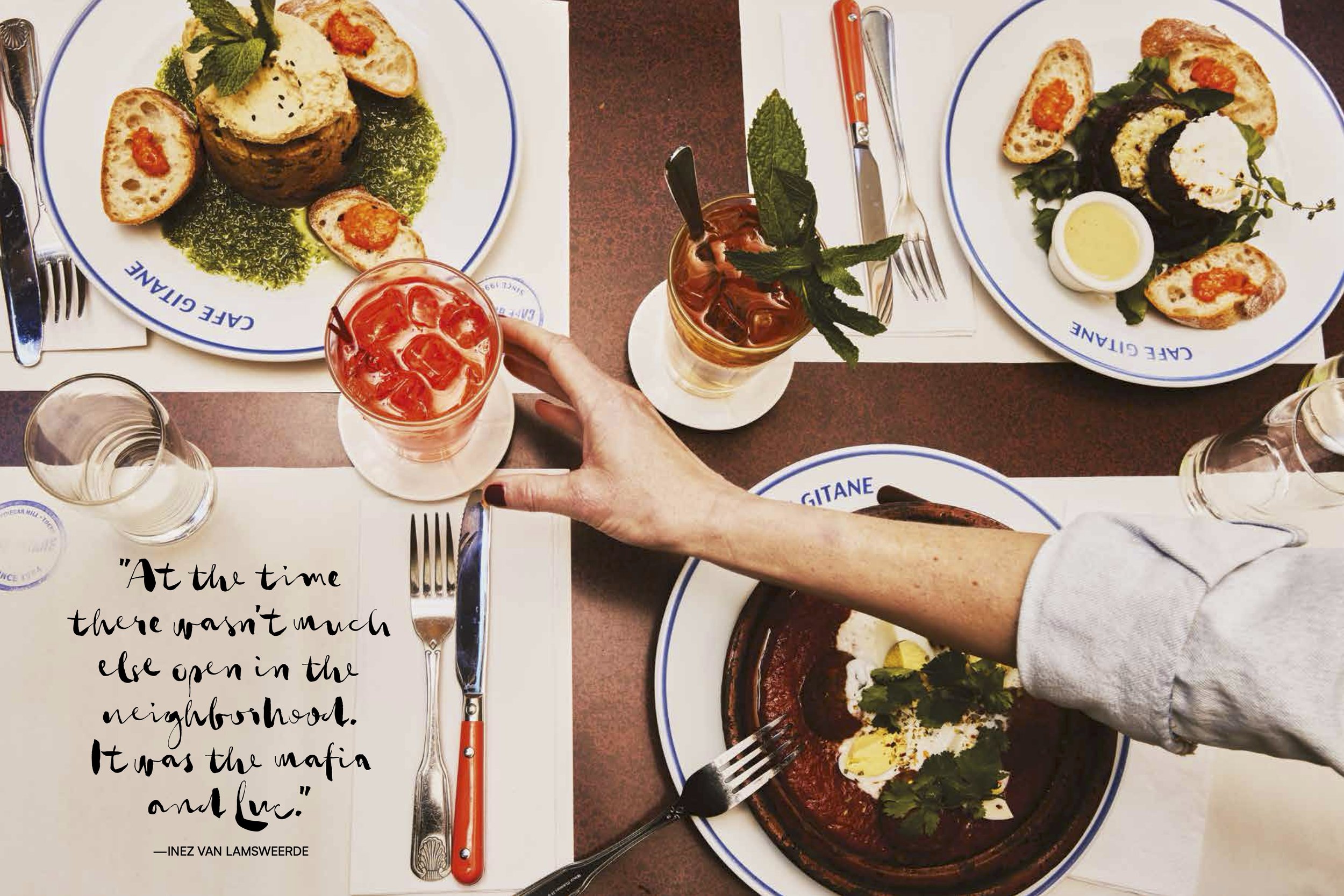
David Bowie loved its couscous. Norman Reedus hung out there. It put avocado toast on the map. Thirty years later, and with a new book honoring it, Cafe Gitane is drawing a fresh crowd.
Join us on Friday, December 13 to toast the release of McNally Jackson’s limited-edition, slipcased coffee table book celebrating 30 years of Cafe Gitane
Martha White Remembers Her Grandfather’s Lifelong Relationship With the Big Apple
Her reviews are not contemptuous, a common pitfall for her imitators. They are simply unbridled in their dislike.
The hater was at his most affecting when confronted with obsessive love, a feeling that commingles tenderness with disdain. Infatuation opens his characters to, and delimits the extent of their participation in, the world.
Djuna Barnes’s short stories return again and again to characters suffering from love, fear, and alienation.
Fans of Ursula Parrott’s 1929 gem, Ex-Wife, can now listen to this racy and affecting story of a divorce and its aftermath, narrated by introducer Alissa Bennett. Here’s a fun video preview for you, and you can download the audiobook from Tantor Media, Audible, and wherever fine audiobooks are sold.
A 1966 novel captures a publishing world full of chronic malcontents, strategic lunches and ideas that mattered.
Rhine Journey is graceful, economical, and emotionally acute, but, to me, the most astonishing aspect of this novel is the precision with which Schlee replicates the customs, language, and atmosphere of 1851, hewing so closely to the feeling that a book written in the early Victorian era stirs in the reader that, upon learning that Rhine Journey was only first published in 1980, I did a double take.
Nocturnes for the King of Naples by Edmund White with a foreword by Garth Greenwell reflects on love, life and time in this stunning epistolary novel. Both authors joined the Poured Over Podcast to talk to us about bringing back this novel from 1978, the evolution of style and themes, musicality in creative writing and more with Miwa Messer, host of Poured Over.
Nocturnes for the King of Naples, by Edmund White, stands outside current fashions, with its refined pleasures and its nuanced accounts of gay lives.
Kitty Mrosovsky
Foreword by Maggie Gee
“A writer of great intelligence and sensibility who never received the critical attention she deserved.” —Amanda Mitchison, The Independent
A lush, labyrinthine novel of one woman’s erotic odyssey, and the final testament by a neglected writer of extraordinary talent.
COMING JUN 30, 2026