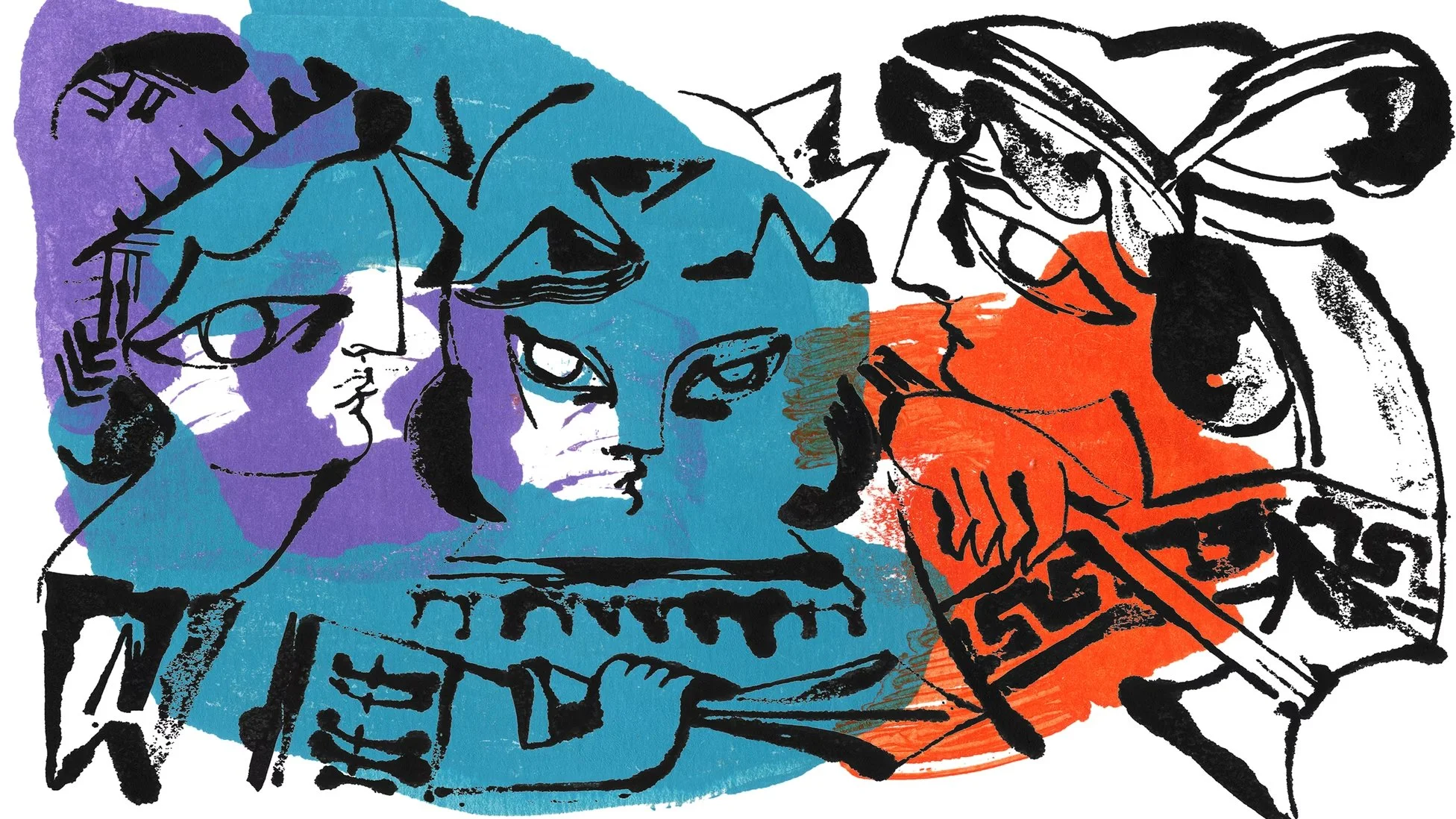
Why Authors Can’t Let Go of Greek Myths
The Way to Colonos ruthlessly dramatizes the limits of individual freedom and the agony of facing one’s powerlessness. The book has recently been reissued at what feels like a propitious moment, when modern treatments of Greek myth proliferate, many of them adapting stories about destiny and order for a chaotic and individualistic time.
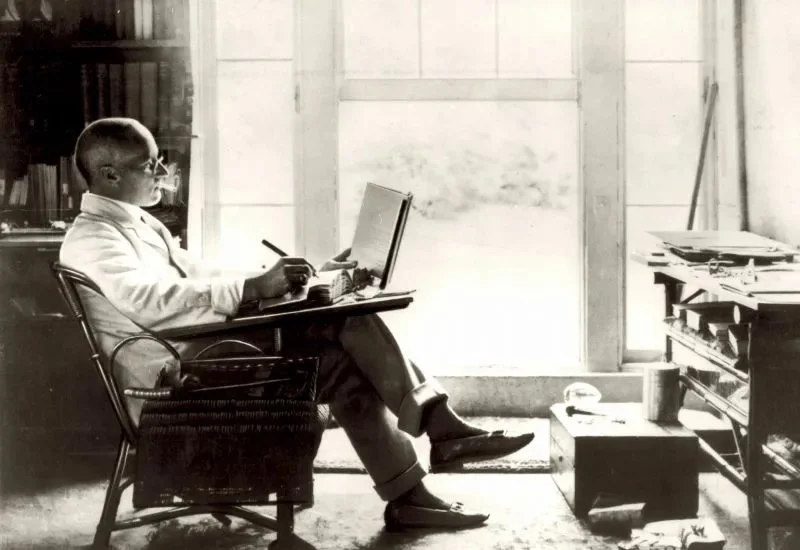
The Art of the Schemer: Pamela Hansford Johnson’s Masterpiece Returns
Skipton’s devious ruses and desperate escapades prove diverting. He amuses with his vicious thoughts and diatribes as well as his brutal depictions of those who have wronged him. He believes his book will be “the greatest novel in the English language.” When finished, it will secure his reputation and bring him glory and riches, “the joy of lordliness, the majesty of the peaceful mind in the well-fed body.”

The First Masterpiece of the Decade: LARB on Henry Bean’s ‘The Nenoquich’
No one’s got anything better up their sleeve than Henry Bean’s born-again debut The Nenoquich, out for resurrection this week by McNally Editions. This debut, or better say rebut, is our first masterpiece this decade—and it was written in 1982.

A Master Novelist Visits Hell: Valerie Stivers on Mary Gaitskill’s ‘The Devil’s Treasure’
Gaitskill is an era-defining talent, one of the best American fiction writers working today, and the book is a collage of fiction, autobiography, and fairy tale that seeks, through “ordered disorder,” to approach a fundamental thing about making art—one that defines Gaitskill’s oeuvre.

Superfluous Men and Rakish Heroes: Christian Lorentzen on ‘The Nenoquich’
Cynicism, laziness, anger, misplaced righteousness, vacillation between vanity and self-loathing: Such are the qualities of the superfluous men we’ve encountered in novels for centuries. Existing somehow outside the structures of family and regular employment, these prodigal sons have too much time on their hands — time to spend thinking, ranting, writing or intoxicating themselves.
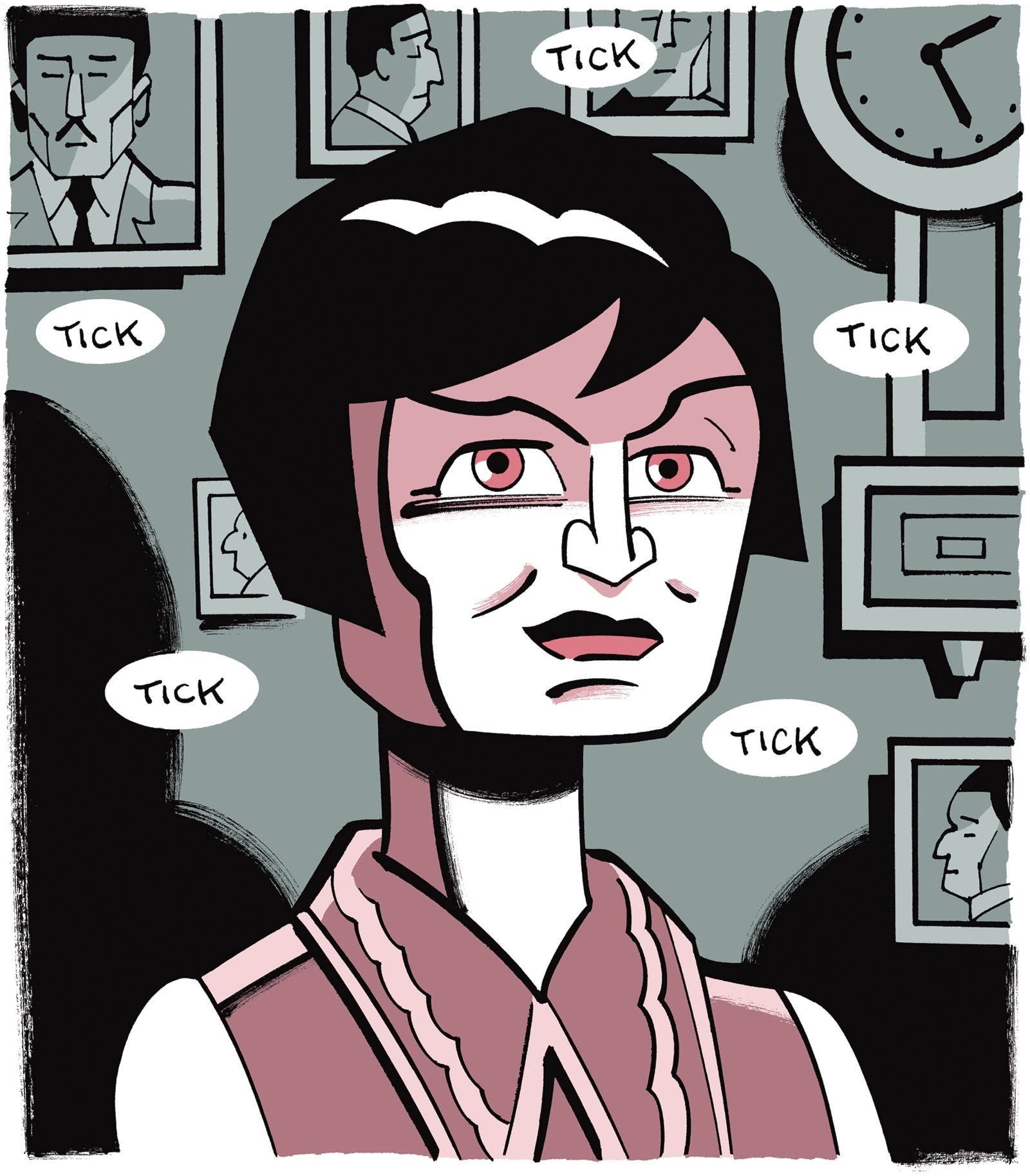
None-Too-Gay Divorcées: Joyce Carol Oates Reviews 'Ex-Wife'
Ursula Parrott’s 1929 novel Ex-Wife was a scandalous, best-selling portrayal of the era’s “new woman,” but in her own life she remained trapped in conventional views of marriage and relationships.

Where Be Your Jibes Now? Patricia Lockwood on David Foster Wallace’s Last Great Work
It begins with the flannel plains of Illinois. The year is 1985, and the place is the IRS Regional Examination Centre in Peoria. Something to Do with Paying Attention first appeared as a long monologue in The Pale King – it comes about a quarter of the way through the book as Pietsch placed it – though Wallace had toyed with the idea of publishing it as a stand-alone novella. It is enthralling.

A Starred Review for Emily Dickinson Face to Face
Publishers Weekly raves about Martha Dickinson Bianchi’s memoir of the poet, her aunt.

Drifters, Addicts and Tricksters
Taut short stories about African American outsiders

Beautiful, Lonely, and Degraded: Gavin Lambert’s LA
In his 1979 novel The Goodby People, Lambert finds a picturesque city defined by its sense of disconnection and immense sadness.

The Calamity of Unwanted Motherhood - The Atlantic
Penelope Mortimer’s 64-year-old novel is a powerful argument for letting women choose when and whether they become a parent.

Read Like The Wind: Zoology and Org Charts
Molly Young on Han Suyin’s “Winter Love.”